

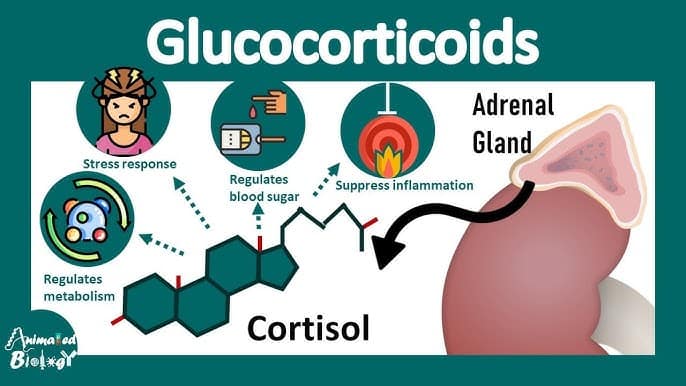
Is Cortisol A Steroid, When people hear the word “steroid,” they often think of muscle-building substances or performance enhancers. However, the term “steroid” actually covers a broad category of naturally occurring and synthetic compounds in the body. This leads to a common question: is cortisol a steroid? The short answer is yes—but there’s much more to understand about what that means and how cortisol works.
What Is Cortisol?
Cortisol is a hormone produced by the adrenal glands, which sit on top of your kidneys. It plays a vital role in maintaining overall health and helping the body respond to stress. Because of its involvement in stress response, cortisol is often called the “stress hormone.”
Cortisol affects many essential functions, including:
- Regulating metabolism
- Controlling blood sugar levels
- Reducing inflammation
- Supporting immune function
- Helping the body respond to physical and emotional stress
Is Cortisol a Steroid?
Yes, cortisol is a steroid. More specifically, it belongs to a group of steroid hormones known as glucocorticoids. These hormones are derived from cholesterol and are produced naturally in the body.
Steroids are classified based on their structure and function. Cortisol shares the same basic chemical structure as other steroids, which is why it falls into this category. However, unlike anabolic steroids used for muscle growth, cortisol has very different effects.
Types of Steroids: Where Cortisol Fits In
To better understand the question “is cortisol a steroid,” it helps to know the main types of steroids:
- Glucocorticoids – Involved in metabolism and stress response (cortisol belongs here)
- Mineralocorticoids – Regulate salt and water balance
- Androgens – Male sex hormones like testosterone
- Estrogens and Progesterone – Female sex hormones
Cortisol’s role as a glucocorticoid means it primarily influences how the body uses carbohydrates, fats, and proteins.
How Cortisol Works in the Body
Cortisol is released in response to signals from the brain, particularly during stressful situations. This process is controlled by the hypothalamic-pituitary-adrenal (HPA) axis.
When cortisol is released:
- Blood sugar increases to provide quick energy
- Non-essential functions (like digestion) slow down
- Inflammation is temporarily reduced
- The body becomes more alert and responsive
This system is essential for survival, especially in “fight or flight” situations.
Cortisol vs. Synthetic Steroids
Many people confuse cortisol with synthetic steroids, but they are quite different.
- Cortisol is naturally produced and helps maintain balance in the body
- Synthetic steroids (like prednisone) are man-made and often used to treat inflammation, allergies, or autoimmune diseases
Interestingly, many synthetic corticosteroids are designed to mimic the effects of cortisol.
Effects of High and Low Cortisol Levels
Since cortisol is a steroid hormone, its levels must be carefully regulated.
High cortisol levels may lead to:
- Weight gain (especially around the abdomen)
- High blood pressure
- Sleep problems
- Anxiety or mood changes
Low cortisol levels may cause:
- Fatigue
- Low blood pressure
- Weakness
- Difficulty handling stress
Maintaining balanced cortisol levels is crucial for overall health.
Why the Question Matters
Understanding “is cortisol a steroid” helps clear up misconceptions about steroids in general. Not all steroids are harmful or performance-enhancing drugs. In fact, many—like cortisol—are essential for life.
Cortisol demonstrates that steroids can:
- Be naturally produced
- Play critical roles in body function
- Support health when properly regulated
Conclusion
So, is cortisol a steroid? Absolutely. Cortisol is a naturally occurring steroid hormone that plays a key role in stress response, metabolism, and overall body balance. While the term “steroid” often carries negative connotations, cortisol highlights the importance of these compounds in maintaining normal physiological functions.