

Steroid Hormones Function, Steroid hormones play a crucial role in maintaining the body’s balance and regulating many essential biological processes. Understanding steroid hormones function helps us appreciate how the human body controls growth, metabolism, reproduction, and stress responses.
What Are Steroid Hormones?
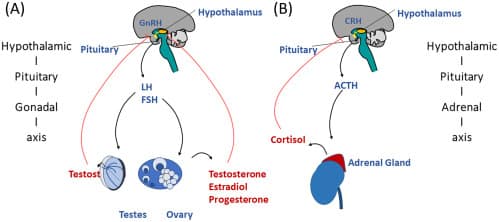
Steroid hormones are a class of hormones derived from cholesterol. They are lipid-soluble, meaning they can easily pass through cell membranes and interact directly with cells. These hormones are primarily produced in the adrenal glands, ovaries, testes, and placenta.
Unlike peptide hormones, steroid hormones do not need surface receptors. Instead, they bind to receptors inside the cell, which allows them to directly influence gene expression.
Types of Steroid Hormones
To understand steroid hormones function, it’s important to know their main categories:
- Glucocorticoids (e.g., cortisol) – regulate metabolism and stress response
- Mineralocorticoids (e.g., aldosterone) – control salt and water balance
- Androgens (e.g., testosterone) – responsible for male characteristics
- Estrogens – regulate female reproductive system
- Progestogens (e.g., progesterone) – support pregnancy and menstrual cycle
Each type has a specific role, but all contribute to maintaining homeostasis in the body.
How Steroid Hormones Work
A key aspect of steroid hormones function is their mechanism of action:
- Steroid hormones enter the cell by diffusing through the cell membrane.
- They bind to specific intracellular receptors.
- The hormone-receptor complex moves into the nucleus.
- It attaches to DNA and regulates gene transcription.
- This process leads to the production of proteins that influence cell behavior.
This direct interaction with DNA makes steroid hormones slower to act than some other hormones, but their effects are longer-lasting.
Key Functions of Steroid Hormones
1. Regulation of Metabolism
Steroid hormones like cortisol help control how the body uses carbohydrates, fats, and proteins. They ensure energy is available during stress or fasting.
2. Control of Inflammation
Glucocorticoids have powerful anti-inflammatory effects. They are often used in medicine to treat conditions like asthma, arthritis, and autoimmune diseases.
3. Maintenance of Salt and Water Balance
Mineralocorticoids regulate sodium and potassium levels, helping maintain blood pressure and fluid balance.
4. Development of Sexual Characteristics
Androgens and estrogens are responsible for puberty and the development of secondary sexual traits such as body hair, voice changes, and breast development.
5. Reproductive Function
Steroid hormones regulate the menstrual cycle, ovulation, sperm production, and pregnancy.
6. Stress Response
Cortisol, known as the “stress hormone,” helps the body respond to physical and emotional stress by increasing blood sugar levels and suppressing non-essential functions.
Importance in Medical Science
Understanding steroid hormones function has led to significant medical advancements. Synthetic steroid hormones are widely used in treatments such as:
- Hormone replacement therapy
- Birth control pills
- Anti-inflammatory medications
- Treatment of hormonal imbalances
However, misuse of synthetic steroids can lead to serious side effects, including hormonal disruption, organ damage, and dependency.
Conclusion
Steroid hormones are vital chemical messengers that regulate many essential functions in the human body. From controlling metabolism and inflammation to supporting reproduction and stress response, their role is both complex and indispensable. A clear understanding of steroid hormones function not only enhances our knowledge of human biology but also highlights their importance in health and medicine.