

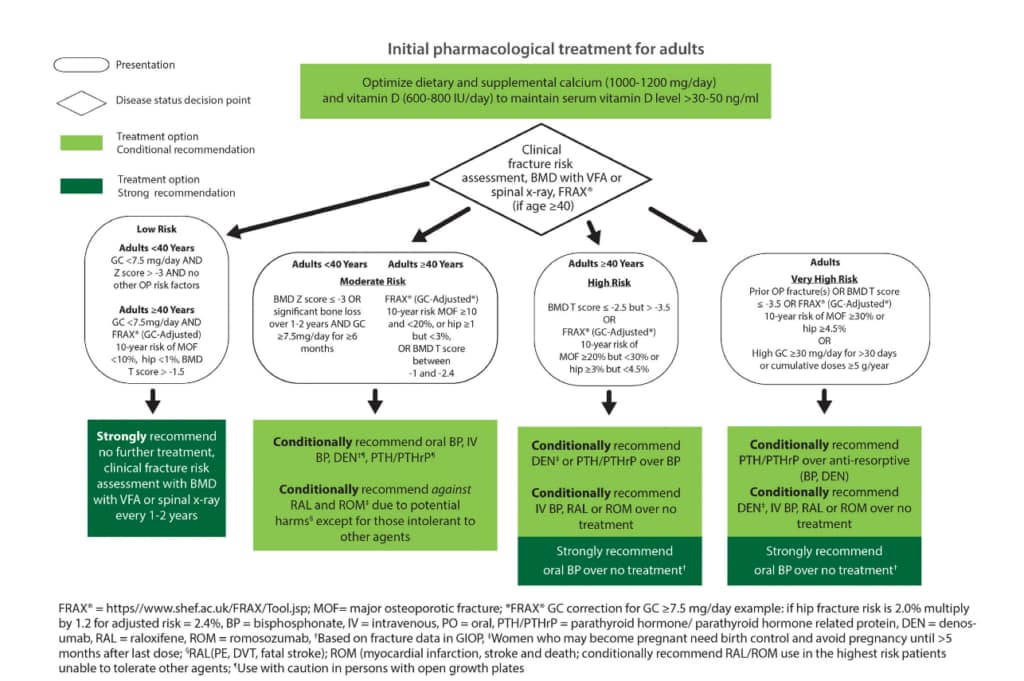
Steroid Prophylaxis, Steroid prophylaxis refers to the preventive use of corticosteroids to reduce the risk of inflammation, immune reactions, or complications associated with certain medical conditions or treatments. While steroids are often associated with treating active disease, their role in prevention—particularly in high-risk patients—has become increasingly important in modern medicine.
This article explores the concept of steroid prophylaxis, its applications, benefits, risks, and key considerations for safe use.
What Is Steroid Prophylaxis?
Steroid prophylaxis involves administering corticosteroids before the onset of symptoms or complications. These medications mimic hormones produced by the adrenal glands and have powerful anti-inflammatory and immunosuppressive effects.
Common corticosteroids used in prophylaxis include:
- Prednisone
- Dexamethasone
- Hydrocortisone
The goal is to prevent or minimize adverse reactions, rather than treat them after they occur.
Common Uses of Steroid Prophylaxis
1. Prevention of Allergic Reactions
Steroid prophylaxis is often used before procedures or treatments that may trigger allergic responses, such as:
- Contrast dye imaging (CT scans, MRIs)
- Certain medications (e.g., chemotherapy agents)
Steroids help suppress the immune system’s overreaction, reducing the severity of allergic symptoms.
2. Chemotherapy-Induced Side Effects
In oncology, steroid prophylaxis plays a critical role in preventing:
- Nausea and vomiting
- Hypersensitivity reactions
- Inflammation caused by tumor breakdown
Dexamethasone is commonly included in antiemetic regimens for cancer patients.
3. Organ Transplantation
Patients undergoing organ transplants often receive steroid prophylaxis to prevent:
- Acute rejection of the transplanted organ
- Immune system overactivity
Steroids are usually part of a broader immunosuppressive protocol.
4. Respiratory Conditions
Steroid prophylaxis is used in individuals at risk of severe respiratory complications, such as:
- Asthma exacerbations
- Chronic obstructive pulmonary disease (COPD) flare-ups
Inhaled or systemic steroids may be prescribed depending on the severity.
5. Neurological and Surgical Applications
In some cases, steroids are given before surgery or radiation therapy to:
- Reduce swelling (edema)
- Prevent neurological complications
For example, patients with brain tumors may receive steroids to control inflammation.
Benefits of Steroid Prophylaxis
- Prevention of complications: Reduces the likelihood of severe reactions or disease flare-ups
- Improved treatment outcomes: Enhances tolerance to therapies like chemotherapy
- Reduced hospitalizations: Helps avoid emergency situations
- Better quality of life: Minimizes discomfort and disruption caused by preventable symptoms
Risks and Side Effects
Despite its benefits, steroid prophylaxis is not without risks—especially with prolonged or high-dose use.
Short-Term Side Effects
- Increased blood sugar levels
- Mood changes
- Insomnia
- Fluid retention
Long-Term Risks
- Suppressed immune system
- Weight gain
- Osteoporosis
- Hormonal imbalances
- Increased risk of infections
Because of these risks, steroid prophylaxis must be carefully managed and individualized.
Clinical Considerations
1. Patient Selection
Not all patients require steroid prophylaxis. It is typically reserved for those with:
- High risk of complications
- History of severe reactions
- Undergoing intensive treatments
2. Dosage and Duration
The lowest effective dose for the shortest duration is preferred to minimize side effects.
3. Monitoring
Patients on steroid prophylaxis should be monitored for:
- Blood glucose levels
- Signs of infection
- Bone health (in long-term use)
4. Tapering
Abrupt discontinuation of steroids can lead to withdrawal symptoms. Gradual tapering is often necessary.
Conclusion
Steroid prophylaxis is a valuable strategy in preventing complications across a wide range of medical scenarios, from cancer treatment to organ transplantation and allergic reaction management. While highly effective, it requires careful consideration of risks, proper dosing, and ongoing monitoring.
When used appropriately under medical supervision, steroid prophylaxis can significantly improve patient outcomes and reduce the burden of preventable complications.
You Might Also Like These: