

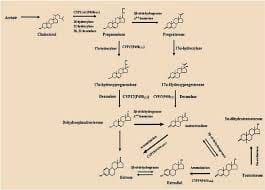
Steroid Hormone Synthesis, Steroid hormone synthesis is a fundamental biological process that enables the human body to produce essential hormones responsible for growth, metabolism, reproduction, and stress response. These hormones are derived from lipids and play a crucial role in maintaining overall physiological balance. Understanding steroid hormone synthesis helps explain how the body regulates many critical functions and what happens when this process is disrupted.
What Is Steroid Hormone Synthesis?
Steroid hormone synthesis refers to the process by which the body converts cholesterol into steroid hormones. These hormones include glucocorticoids, mineralocorticoids, and sex hormones such as estrogen, progesterone, and testosterone.
The process primarily occurs in specialized glands, including the:
- Adrenal glands
- Gonads
- Placenta (during pregnancy)
The Role of Cholesterol
The foundation of steroid hormone synthesis is Cholesterol. This lipid molecule serves as the raw material from which all steroid hormones are derived.
Cholesterol is either:
- Obtained from dietary sources
- Synthesized in the liver
Once inside hormone-producing cells, cholesterol is transported into mitochondria, where the synthesis process begins.
Key Steps in Steroid Hormone Synthesis
Steroid hormone synthesis involves a series of enzymatic reactions that convert cholesterol into different hormones. The process can be broken down into several major steps:
1. Conversion of Cholesterol to Pregnenolone
The first and most critical step is the transformation of cholesterol into pregnenolone. This step is catalyzed by a mitochondrial enzyme and is considered the rate-limiting stage of the entire process.
2. Formation of Progesterone
Pregnenolone is further converted into progesterone, which serves as a precursor for many other steroid hormones.
3. Pathway Diversification
From progesterone, the pathway splits into different branches, leading to the production of:
- Glucocorticoids (e.g., cortisol)
- Mineralocorticoids (e.g., aldosterone)
- Androgens and estrogens
Each pathway involves specific enzymes that determine which hormone is produced.
Major Types of Steroid Hormones
Glucocorticoids
These hormones regulate metabolism and help the body respond to stress. The most well-known example is cortisol.
Mineralocorticoids
Mineralocorticoids control electrolyte balance and blood pressure by regulating sodium and potassium levels.
Sex Hormones
Sex hormones are essential for reproductive health and secondary sexual characteristics. These include:
- Testosterone
- Estrogen
- Progesterone
Regulation of Steroid Hormone Synthesis
Steroid hormone synthesis is tightly controlled by the endocrine system. A key regulator is the Hypothalamic–pituitary–adrenal axis (HPA axis), which ensures hormone levels remain balanced.
This system works through:
- Hormone signaling from the brain
- Feedback mechanisms that adjust production
- Enzyme regulation within hormone-producing glands
Factors Affecting Steroid Hormone Synthesis
Several factors can influence how effectively steroid hormones are produced:
- Age: Hormone production changes over time
- Stress levels: Chronic stress can alter cortisol production
- Nutrition: Adequate cholesterol and vitamins are essential
- Medical conditions: Disorders like adrenal insufficiency can impair synthesis
- Medications and steroid use: External steroids can suppress natural production
Importance of Steroid Hormone Synthesis
Steroid hormone synthesis is vital for:
- Maintaining metabolic balance
- Supporting reproductive health
- Managing stress responses
- Regulating immune function
Any disruption in this process can lead to hormonal imbalances, affecting overall health and well-being.
Conclusion
Steroid hormone synthesis is a complex yet essential process that underpins many critical bodily functions. From cholesterol conversion to hormone regulation, each step is carefully controlled to maintain balance. Understanding this process not only provides insight into human biology but also highlights the importance of maintaining hormonal health through proper lifestyle choices and medical care when needed.
You Might Also Like These: