

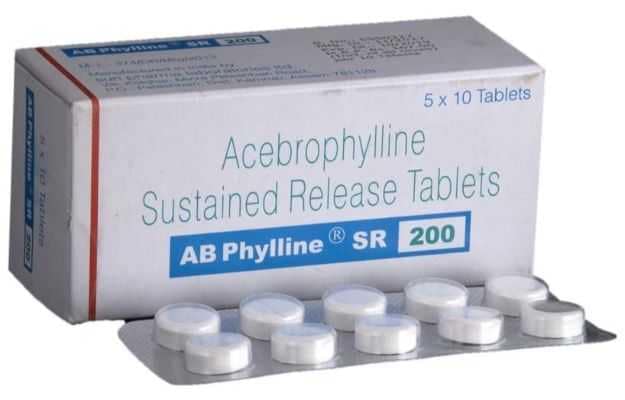
Is Acebrophylline A Steroid, When people come across medications used for respiratory conditions, a common question arises: “is acebrophylline a steroid?” This confusion is understandable, especially since many drugs used for asthma and chronic lung diseases often belong to the steroid category. However, acebrophylline is quite different. In this article, we’ll break down what acebrophylline is, how it works, and whether it is a steroid.
What Is Acebrophylline?
Acebrophylline is a medication primarily used to treat respiratory conditions such as:
- Chronic Obstructive Pulmonary Disease (COPD)
- Asthma
- Bronchitis
It is known for its bronchodilator and mucolytic properties. This means it helps to:
- Relax and open the airways
- Reduce mucus thickness
- Improve breathing efficiency
Is Acebrophylline a Steroid?
The simple and direct answer is: No, acebrophylline is not a steroid.
Acebrophylline belongs to a class of drugs known as xanthine derivatives, combined with ambroxol-like effects. It works differently from steroids and does not have the hormonal structure that defines steroid medications.
How Acebrophylline Works
To better understand why acebrophylline is not a steroid, it helps to look at its mechanism of action:
- Bronchodilation
Acebrophylline relaxes the muscles in the airways, allowing more air to pass through the lungs. - Anti-inflammatory Effects (Non-steroidal)
While it reduces inflammation, it does so without acting like corticosteroids. - Mucus Clearance
It improves the removal of mucus, making it easier to breathe.
Unlike steroids, it does not mimic hormones or suppress the immune system in the same way.
What Are Steroids in Respiratory Treatment?
Steroids, especially corticosteroids, are commonly used in respiratory care to reduce inflammation. Examples include:
- Prednisolone
- Budesonide
- Fluticasone
These medications work by suppressing immune responses and inflammation at a deeper level. They are powerful but can have side effects with long-term use.
Key Differences Between Acebrophylline and Steroids
| Feature | Acebrophylline | Steroids |
|---|---|---|
| Drug Class | Xanthine derivative | Corticosteroid |
| Function | Bronchodilator + mucolytic | Anti-inflammatory |
| Hormonal Action | No | Yes |
| Immune Suppression | Minimal | Significant |
| Long-term Side Effects | Generally mild | Can be serious |
Why the Confusion?
Many people assume acebrophylline is a steroid because:
- It is used for similar conditions (asthma, COPD)
- It helps reduce inflammation
- It is often prescribed alongside steroid medications
However, similar usage does not mean similar drug classification.
Benefits of Acebrophylline
Since acebrophylline is not a steroid, it offers some advantages:
- Lower risk of steroid-related side effects
- Suitable for long-term use in many cases
- Helps with mucus clearance in addition to opening airways
Possible Side Effects
Although it is not a steroid, acebrophylline can still cause side effects such as:
- Nausea
- Heartburn
- Dizziness
- Mild gastrointestinal discomfort
These are generally less severe compared to long-term steroid use.
Conclusion
To sum it up, if you’re wondering “is acebrophylline a steroid”, the answer is clearly no. Acebrophylline is a non-steroidal medication that helps manage respiratory conditions through bronchodilation and mucus clearance rather than hormonal or immune suppression mechanisms.
Understanding this distinction can help patients feel more confident about their treatment options and reduce unnecessary concerns about steroid-related side effects.
You Might Also Like These: