

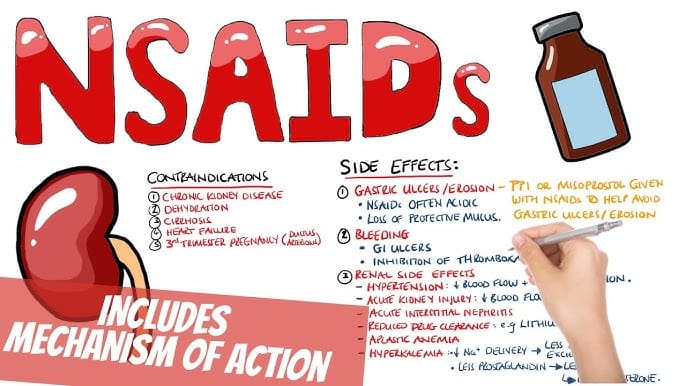
Non Steroidal Anti Inflammatory Drugs Side Effects, Non-steroidal anti-inflammatory drugs (NSAIDs) are among the most commonly used medications worldwide. They help reduce pain, inflammation, and fever, making them a go-to option for conditions like headaches, arthritis, muscle pain, and menstrual cramps. Popular examples include Ibuprofen, Aspirin, and Naproxen.
While these drugs are effective and widely available, it is important to understand non steroidal anti inflammatory drugs side effects, especially with long-term or improper use.
Common Side Effects of NSAIDs
Most people tolerate NSAIDs well when taken as directed, but some mild side effects can occur:
- Stomach pain or discomfort
- Heartburn
- Nausea or vomiting
- Diarrhea or constipation
- Dizziness or headaches
These symptoms are usually temporary, but if they persist, medical advice should be sought.
Gastrointestinal Risks
One of the most significant concerns related to non steroidal anti inflammatory drugs side effects is damage to the digestive system. NSAIDs can irritate the stomach lining and lead to:
- Gastric ulcers
- Internal bleeding
- Perforation of the stomach or intestines
The risk increases if you:
- Take high doses
- Use NSAIDs for a long time
- Combine them with alcohol or other medications
Older adults are particularly vulnerable to these complications.
Cardiovascular Side Effects
NSAIDs may increase the risk of heart-related problems, especially when used regularly or in high doses. These risks include:
- Heart attack
- Stroke
- High blood pressure
Some NSAIDs are more strongly associated with cardiovascular risks than others, so it’s important to consult a healthcare provider if you have existing heart conditions.
Kidney and Liver Effects
Another important aspect of non steroidal anti inflammatory drugs side effects involves their impact on vital organs:
Kidney Issues
NSAIDs can reduce blood flow to the kidneys, potentially causing:
- Fluid retention
- Kidney damage
- Increased risk of kidney failure in severe cases
Liver Problems
Though less common, NSAIDs may lead to:
- Elevated liver enzymes
- Liver inflammation
Allergic Reactions
Some individuals may experience allergic reactions to NSAIDs, including:
- Skin rashes
- Swelling of the face or throat
- Breathing difficulties
In rare cases, severe reactions like anaphylaxis can occur, which require immediate medical attention.
Who Should Be Careful?
Certain groups should use NSAIDs with caution or avoid them altogether:
- People with a history of stomach ulcers
- Individuals with heart disease or high blood pressure
- Patients with kidney or liver problems
- Pregnant women (especially in the third trimester)
- Elderly individuals
Tips to Minimize Risks
To reduce the chances of experiencing non steroidal anti inflammatory drugs side effects, follow these guidelines:
- Always take the lowest effective dose
- Avoid long-term use unless prescribed
- Take NSAIDs with food or milk
- Do not mix multiple NSAIDs
- Consult a doctor before combining with other medications
Conclusion
NSAIDs are highly effective for pain relief and inflammation control, but they are not without risks. Understanding non steroidal anti inflammatory drugs side effects can help you use these medications safely and responsibly. If you need long-term pain management, it’s always best to consult a healthcare professional for personalized advice.