


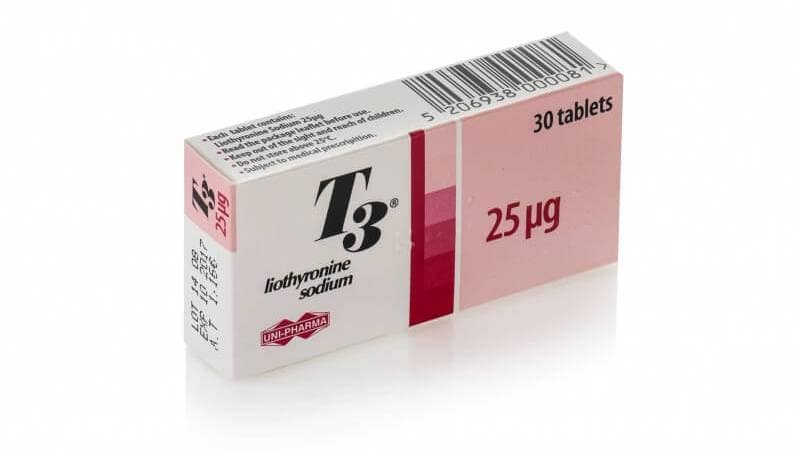
T3 Steroid, The term “T3 steroid” is commonly used in fitness and bodybuilding communities, but it is actually misleading. In reality, T3 refers to triiodothyronine (liothyronine), a thyroid hormone, not a steroid. Despite this, it is often incorrectly grouped with anabolic steroids due to its fat-loss effects and performance-related misuse.
This article explains what T3 really is, why it is mistaken for a steroid, how it works in the body, and the potential risks associated with misuse.
What Is T3 (Triiodothyronine)?
T3 (liothyronine) is one of the two main hormones produced by the thyroid gland, the other being T4 (thyroxine). T3 is the active form of thyroid hormone that regulates:
- Metabolism
- Heart rate
- Body temperature
- Energy production
- Fat and carbohydrate breakdown
Doctors prescribe synthetic T3 only in specific medical conditions, such as hypothyroidism (underactive thyroid).
Why Is It Called “T3 Steroid”?
Although T3 is not a steroid, it is often labeled as one in gym culture because:
- It can significantly increase metabolic rate
- It may lead to rapid fat loss
- It is sometimes misused alongside anabolic steroids in cutting cycles
However, chemically and biologically, T3 has nothing to do with anabolic steroids like testosterone or trenbolone. It is a hormone regulator, not a muscle-building agent.
Medical Uses of T3
In clinical settings, T3 is used under strict medical supervision for:
- Hypothyroidism treatment
- Thyroid hormone replacement therapy
- Certain cases where T4 is not effectively converted to T3
Doctors carefully monitor dosage because thyroid hormones directly affect heart function and metabolism.
Misuse in Bodybuilding and Fitness
Some athletes and bodybuilders misuse T3 in an attempt to:
- Reduce body fat quickly
- Enhance muscle definition during cutting phases
- Speed up metabolism beyond natural levels
However, this practice is dangerous because it artificially manipulates the body’s hormonal balance.
Side Effects of T3 Misuse
Using T3 without medical supervision can lead to serious health issues, including:
- Rapid heart rate (tachycardia)
- Anxiety and irritability
- Muscle loss (not just fat loss)
- Insomnia
- Heat intolerance
- Bone density reduction
- Long-term thyroid dysfunction
In severe cases, misuse can cause thyroid suppression, meaning the body may stop producing natural thyroid hormones properly.
T3 vs Steroids: Key Difference
| Feature | T3 (Liothyronine) | Anabolic Steroids |
|---|---|---|
| Type | Thyroid hormone | Synthetic testosterone-like compounds |
| Main function | Regulates metabolism | Builds muscle & strength |
| Medical use | Thyroid disorders | Hormone deficiencies, specific medical conditions |
| Risk profile | Hormonal imbalance, heart strain | Liver issues, hormonal suppression |
Is T3 Safe?
T3 is safe only when prescribed and monitored by a healthcare professional. Self-administration or non-medical use—especially for fat loss—is strongly discouraged due to its powerful effect on metabolism and the risk of long-term hormonal damage.
Conclusion
The term “T3 steroid” is incorrect, but it continues to be used in fitness circles. T3 is actually a thyroid hormone (liothyronine), not an anabolic steroid. While it plays a crucial role in medical thyroid treatment, misuse for fat loss can lead to serious health risks.
You Might Also Like These: