


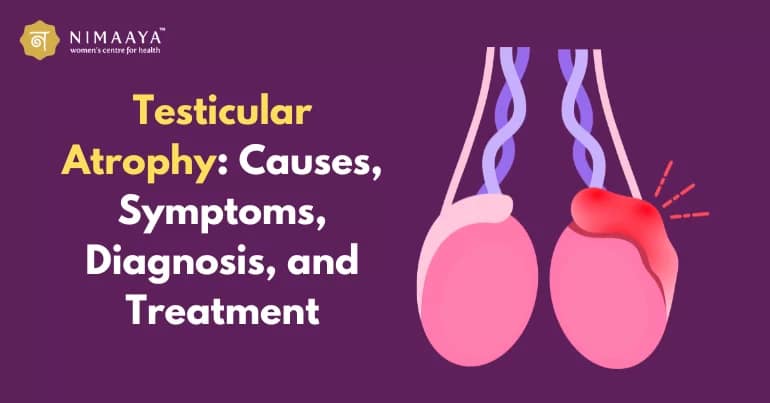
Steroids Testicular Atrophy, Steroids testicular atrophy is a well-documented medical condition associated with the misuse or prolonged use of anabolic-androgenic steroids (AAS). While these substances are often used to enhance muscle growth and athletic performance, they can significantly disrupt the body’s natural hormonal balance—leading to a reduction in testicular size and function.
What Is Testicular Atrophy?
Testicular atrophy refers to the shrinking of the testicles, which are responsible for producing sperm and the hormone testosterone. When the testicles shrink, their ability to perform these essential functions diminishes, often resulting in fertility issues and hormonal imbalances.
How Steroids Cause Testicular Atrophy
When someone uses anabolic steroids, the body detects an excess of synthetic testosterone. In response, the brain reduces or shuts down the natural production of testosterone through a feedback mechanism involving the hypothalamus and pituitary gland.
This leads to:
- Decreased stimulation of the testes
- Reduced natural testosterone production
- Lower sperm production
- Shrinking of testicular tissue
Over time, this suppression can result in noticeable testicular atrophy.
Common Symptoms
Individuals experiencing steroids testicular atrophy may notice:
- Reduced testicle size
- Decreased libido
- Erectile dysfunction
- Infertility or low sperm count
- Hormonal imbalances (low natural testosterone)
- Mood changes, including depression or irritability
These symptoms can vary depending on the duration and dosage of steroid use.
Is the Condition Reversible?
In many cases, steroids testicular atrophy is partially or fully reversible, especially if steroid use is stopped early. However, recovery depends on several factors:
- Duration of steroid use
- Dosage and type of steroids used
- Individual hormonal response
The body may gradually resume natural testosterone production, but this process can take weeks to months. In some cases, medical intervention may be required.
Treatment and Recovery Options
Recovery strategies may include:
- Discontinuing steroid use (most important step)
- Post Cycle Therapy (PCT) to help restore hormonal balance
- Medications that stimulate natural testosterone production
- Lifestyle changes such as proper nutrition, exercise, and stress management
Consulting a qualified healthcare professional is essential for proper diagnosis and treatment planning.
Long-Term Risks
If left untreated, steroids testicular atrophy can lead to:
- Permanent infertility
- Chronic low testosterone (hypogonadism)
- Increased risk of cardiovascular issues
- Psychological effects such as anxiety and depression
Prevention
The best way to prevent steroids testicular atrophy is to avoid non-medical use of anabolic steroids. For those requiring hormone therapy for legitimate medical reasons, it should always be done under strict medical supervision.
Conclusion
Steroids testicular atrophy is a serious but often preventable condition. While anabolic steroids may offer short-term physical gains, the long-term consequences—particularly on reproductive health—can be significant. Awareness, early detection, and proper medical care are key to minimizing damage and supporting recovery.
You Might Also Like These: