


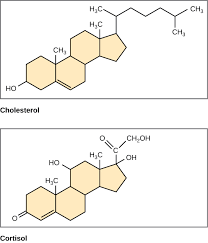
Steroids In Biology, Steroids in biology are a vital class of organic compounds that play crucial roles in the structure and function of living organisms. These molecules are characterized by a specific arrangement of four interconnected carbon rings, known as the steroid nucleus. Found in plants, animals, and fungi, steroids are essential for maintaining cellular integrity, regulating metabolism, and supporting communication within the body.
What Are Steroids?
In the context of Biology, steroids are lipids that are not composed of fatty acids but share a common chemical structure. The core structure consists of three six-membered carbon rings and one five-membered ring. This arrangement forms the backbone for a wide variety of biologically active molecules.
Steroids are naturally produced in the body and can also be synthesized in laboratories for medical and research purposes. Despite their often controversial reputation due to misuse in sports, naturally occurring steroids are indispensable for normal physiological processes.
Types of Steroids in Biology
Steroids in biology can be broadly classified into several categories based on their functions:
- Cholesterol
Cholesterol is one of the most well-known steroids. It is a structural component of cell membranes, helping to maintain fluidity and stability. It also serves as a precursor for other steroid molecules. - Hormonal Steroids
These include:- Sex hormones such as testosterone, estrogen, and progesterone, which regulate reproductive functions.
- Corticosteroids, like cortisol, which are involved in stress response, immune function, and metabolism.
- Vitamin D
Technically a steroid, vitamin D plays a key role in calcium absorption and bone health. - Bile Acids
These are derived from cholesterol and aid in the digestion and absorption of dietary fats.
Functions of Steroids in Living Organisms
Steroids in biology serve a wide range of functions, including:
- Cell Membrane Structure: Cholesterol helps maintain membrane flexibility and permeability.
- Hormonal Signaling: Steroid hormones act as chemical messengers, traveling through the bloodstream to target organs.
- Metabolic Regulation: Steroids influence how the body processes proteins, carbohydrates, and fats.
- Immune Response: Certain steroids regulate inflammation and immune activity.
- Development and Reproduction: Sex steroids are essential for growth, puberty, and reproductive cycles.
Biosynthesis of Steroids
Steroids are synthesized from simpler molecules, primarily acetyl-CoA, through a complex biochemical pathway. The process begins with the formation of cholesterol, which then serves as a precursor for other steroid compounds. This synthesis mainly occurs in the liver, adrenal glands, and reproductive organs.
Importance of Steroids in Medicine
Understanding steroids in biology has led to significant medical advancements. Synthetic steroids are widely used to treat conditions such as:
- Inflammatory diseases (e.g., asthma, arthritis)
- Hormonal imbalances
- Autoimmune disorders
However, improper use of anabolic steroids can lead to serious health risks, highlighting the importance of responsible medical supervision.
Conclusion
Steroids in biology are far more than just performance-enhancing substances. They are fundamental components of life, involved in essential processes ranging from cell structure to hormonal communication. By studying these compounds, scientists continue to uncover insights that improve healthcare, deepen our understanding of life, and contribute to advancements in medicine and biotechnology.
You Might Also Like These: