

Steroids Definition, The term steroids is commonly heard in medical, fitness, and sports discussions, but many people still misunderstand what it actually means. This article provides a clear and comprehensive explanation of the steroids definition, along with their types, uses, and potential effects on the body.
What Is the Steroids Definition?
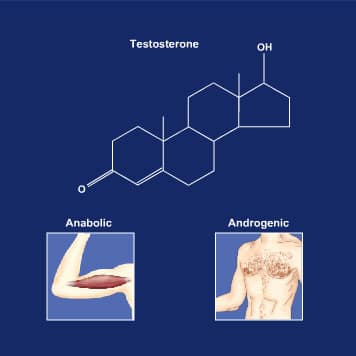
The steroids definition refers to a broad class of organic compounds that share a specific chemical structure made up of four interconnected carbon rings. These compounds occur naturally in the body and also can be synthetically produced in laboratories.
Steroids play vital roles in various biological processes, including regulating metabolism, immune function, inflammation, and development of sexual characteristics.
Types of Steroids
Understanding the steroids definition requires knowing that steroids are not all the same. They are generally divided into two main categories:
1. Corticosteroids
These are medically prescribed steroids used to reduce inflammation and treat various health conditions.
Common uses include:
- Asthma and allergies
- Arthritis
- Skin conditions like eczema
- Autoimmune diseases
Corticosteroids mimic hormones produced by the adrenal glands and help control inflammation in the body.
2. Anabolic Steroids
Also known as anabolic-androgenic steroids (AAS), these are synthetic versions of testosterone, the male sex hormone.
Primary purposes:
- Promote muscle growth
- Enhance athletic performance
- Treat hormone deficiencies
However, misuse of anabolic steroids can lead to serious health risks.
Medical Uses of Steroids
The steroids definition extends beyond bodybuilding and sports. In medicine, steroids are essential for treating many conditions:
- Reducing inflammation and pain
- Managing chronic illnesses like lupus
- Supporting cancer treatments
- Preventing organ rejection after transplants
Doctors carefully prescribe steroids to ensure benefits outweigh risks.
Effects of Steroids on the Body
Steroids can have both positive and negative effects depending on their type and usage.
Positive Effects:
- Reduced inflammation
- Faster recovery from illness
- Increased muscle mass (in anabolic steroids)
Negative Effects:
- Hormonal imbalance
- Liver damage
- Heart problems
- Mood swings and aggression
- Risk of dependency (in misuse cases)
Long-term misuse, especially of anabolic steroids, can lead to severe health complications.
Steroids in Sports and Fitness
In the world of sports, the steroids definition often becomes controversial. While anabolic steroids can improve strength and performance, their use without medical supervision is illegal in many countries and banned by most sports organizations.
Athletes caught using steroids may face:
- Suspension or bans
- Loss of titles and medals
- Legal consequences
Are Steroids Safe?
Steroids can be safe when used correctly under medical supervision. However, misuse or overuse significantly increases the risk of harmful side effects.
Key advice:
- Always follow a doctor’s prescription
- Avoid self-medication
- Do not use steroids for quick physical results
Conclusion
The steroids definition encompasses a wide range of natural and synthetic compounds that serve important functions in the body. While they have valuable medical applications, their misuse—especially anabolic steroids—can lead to serious health risks.