


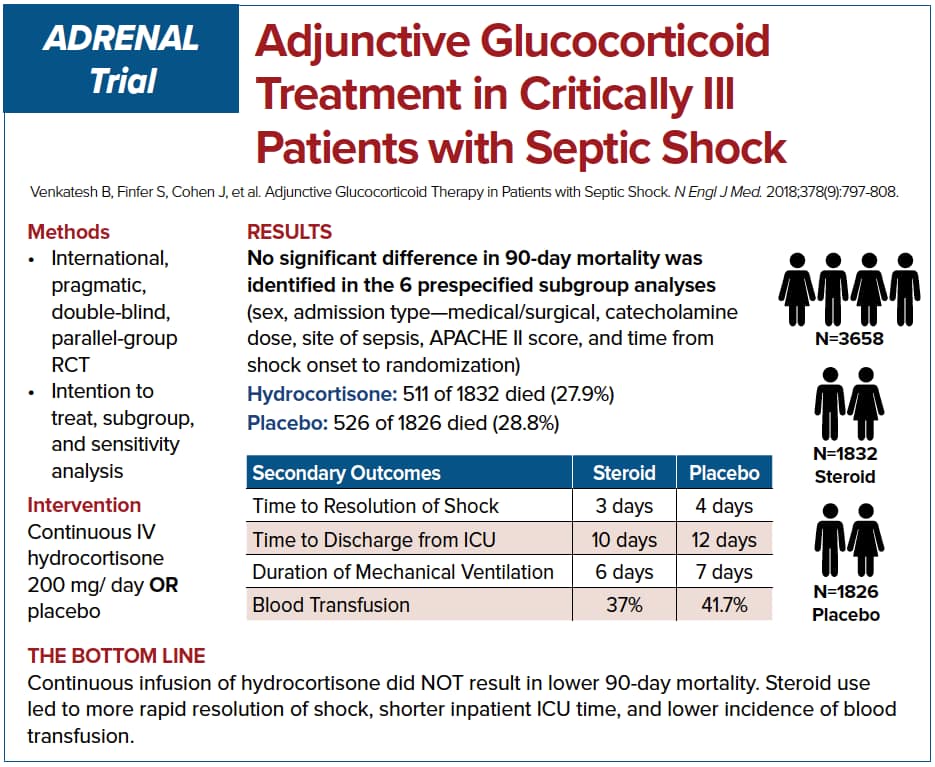
Steroid In Septic Shock, Septic shock is a severe and life-threatening condition that arises from an overwhelming infection, leading to dangerously low blood pressure and organ dysfunction. Despite advances in critical care, septic shock continues to carry a high mortality rate worldwide. One of the most debated and widely studied treatment approaches is the use of steroid in septic shock. This article explores how steroids are used, their benefits, potential risks, and current clinical recommendations.
What is Septic Shock?
Septic shock is a subset of sepsis characterized by profound circulatory, cellular, and metabolic abnormalities. It occurs when the body’s response to infection causes widespread inflammation, leading to:
- Severe hypotension (low blood pressure)
- Reduced blood flow to vital organs
- Organ failure
Patients with septic shock often require intensive care, including intravenous fluids, vasopressors, antibiotics, and sometimes mechanical ventilation.
Role of Steroid in Septic Shock
Steroids, particularly corticosteroids, are used in septic shock to help regulate the body’s inflammatory response and improve cardiovascular stability. The most commonly used steroid in septic shock is hydrocortisone.
Why Steroids Are Considered
In septic shock, the body may experience relative adrenal insufficiency, where it cannot produce enough cortisol to cope with stress. Cortisol is essential for:
- Maintaining blood pressure
- Supporting immune response
- Reducing inflammation
Administering steroids can help compensate for this deficiency.
Benefits of Steroid in Septic Shock
Several clinical studies suggest that using steroids in septic shock can provide important benefits:
1. Faster Shock Reversal
Steroids can help stabilize blood pressure more quickly, reducing dependence on vasopressors.
2. Improved Hemodynamic Stability
They enhance the responsiveness of blood vessels to vasopressor medications.
3. Reduced Inflammation
Steroids suppress excessive inflammatory responses, which can otherwise damage tissues and organs.
4. Potential Reduction in ICU Stay
Some evidence suggests shorter durations of shock and ICU stays, though results vary.
Commonly Used Steroids
The most frequently used steroids in septic shock include:
- Hydrocortisone (most common choice)
- Methylprednisolone (in certain cases)
- Dexamethasone (less commonly used)
Hydrocortisone is typically given in low doses over several days rather than high-dose, short-term therapy.
Risks and Side Effects
While steroids can be beneficial, they also come with potential risks:
1. Increased Risk of Infection
Steroids suppress the immune system, which may worsen or prolong infections.
2. Hyperglycemia
Elevated blood sugar levels are common and require monitoring.
3. Muscle Weakness
Prolonged use may lead to ICU-acquired weakness.
4. Gastrointestinal Bleeding
Though less common, this is a possible complication.
Current Clinical Guidelines
Modern guidelines recommend a cautious and targeted approach to using steroid in septic shock:
- Steroids are not routinely used for all patients
- Recommended for patients who remain hypotensive despite adequate fluid resuscitation and vasopressors
- Low-dose hydrocortisone is preferred over high-dose regimens
Clinical decisions should always be individualized based on patient condition and response to treatment.
Controversies and Ongoing Research
The use of steroid in septic shock has been debated for decades. Some studies show improved outcomes, while others indicate minimal or no survival benefit. Current research continues to explore:
- Optimal dosing strategies
- Duration of therapy
- Patient selection criteria
Large clinical trials are ongoing to provide more definitive answers.
Conclusion
The use of steroid in septic shock remains an important but carefully considered treatment strategy. While steroids can help stabilize critically ill patients and improve hemodynamics, they are not without risks. Current evidence supports their use in patients who do not respond adequately to standard therapies.
Ultimately, the decision to use steroids should be guided by clinical judgment, patient condition, and evolving medical guidelines. As research continues, the role of steroids in septic shock will become clearer, helping clinicians provide more effective and personalized care.
You Might Also Like These: