


Steroid Hormones, Steroid hormones are a vital group of signaling molecules that play a central role in regulating many physiological processes in the human body. Derived from cholesterol, these hormones are lipid-soluble, allowing them to easily pass through cell membranes and directly influence gene expression. Their impact ranges from metabolism and immune function to reproduction and stress response.
What Are Steroid Hormones?
Steroid hormones are a class of hormones synthesized from cholesterol and produced primarily in the adrenal glands and gonads (ovaries and testes). Because of their fat-soluble nature, they travel through the bloodstream bound to carrier proteins and interact with intracellular receptors to regulate cellular activity.
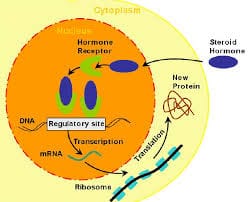
Unlike peptide hormones, which act on cell surface receptors, steroid hormones penetrate the cell membrane and bind to receptors inside the cell. This hormone-receptor complex then interacts with DNA to influence gene transcription, making their effects slower but longer-lasting.
Types of Steroid Hormones
Steroid hormones are broadly categorized into five main groups, each with distinct functions:
1. Glucocorticoids
These hormones, such as Cortisol, are produced by the adrenal cortex and are crucial for metabolism and stress response. They help regulate blood sugar levels, reduce inflammation, and assist the body in coping with stress.
2. Mineralocorticoids
The most notable example is Aldosterone. These hormones control the balance of sodium and potassium in the body, thereby regulating blood pressure and fluid balance.
3. Androgens
Known as male sex hormones, androgens like Testosterone are responsible for the development of male characteristics, including muscle mass, body hair, and reproductive function.
4. Estrogens
These are primary female sex hormones, including Estradiol. Estrogens regulate the menstrual cycle, reproductive system, and secondary sexual characteristics in females.
5. Progestogens
The most well-known is Progesterone, which prepares the uterus for pregnancy and supports fetal development.
How Steroid Hormones Work
Steroid hormones operate through a mechanism known as the Steroid Hormone Receptor Mechanism. After entering a cell, the hormone binds to a specific receptor in the cytoplasm or nucleus. This complex then attaches to specific DNA sequences, regulating the transcription of target genes.
This direct interaction with genetic material allows steroid hormones to have profound and lasting effects on cellular function.
Functions of Steroid Hormones
Steroid hormones influence a wide range of biological processes, including:
- Metabolism Regulation: Glucocorticoids help control glucose metabolism and energy production.
- Immune Response: They can suppress inflammation and modulate immune activity.
- Reproductive Health: Sex hormones regulate fertility, sexual development, and reproductive cycles.
- Electrolyte Balance: Mineralocorticoids maintain proper salt and water levels.
- Stress Adaptation: Hormones like cortisol help the body respond to physical and emotional stress.
Medical Importance of Steroid Hormones
Steroid hormones are widely used in medicine to treat various conditions. Synthetic versions are prescribed for:
- Inflammatory diseases such as asthma and arthritis
- Hormonal imbalances like adrenal insufficiency
- Autoimmune disorders
- Certain types of cancer
However, misuse—especially of anabolic steroids—can lead to serious health issues, including liver damage, cardiovascular problems, and hormonal imbalances.
Conclusion
Steroid hormones are essential for maintaining homeostasis and ensuring the proper functioning of the human body. From regulating metabolism to supporting reproduction and stress response, their influence is vast and complex. Understanding steroid hormones not only provides insight into human biology but also highlights their importance in medicine and overall health.
You Might Also Like These: