


Steroid Causes Hair Loss, Hair loss is a common concern that affects millions of people worldwide. Among the many factors that contribute to thinning hair and baldness, steroid use has gained significant attention. The keyword “steroid causes hair loss” is often searched by individuals trying to understand whether steroids are truly responsible for this condition. In this article, we will explore how steroids impact hair health, the science behind hair loss, and what you can do to prevent or manage it.
What Are Steroids?
Steroids are synthetic substances designed to mimic hormones naturally produced by the body. There are two main types:
- Corticosteroids: Used to treat inflammation and medical conditions.
- Anabolic steroids: Commonly used to enhance muscle growth and athletic performance.
While both types serve different purposes, anabolic steroids are more commonly associated with hair loss.
How Steroid Causes Hair Loss
The relationship between steroids and hair loss is primarily linked to hormonal changes. When people say “steroid causes hair loss,” they are usually referring to anabolic steroids and their effect on the hormone dihydrotestosterone (DHT).
1. Increase in DHT Levels
Anabolic steroids can increase testosterone levels in the body. This excess testosterone is converted into DHT, a hormone strongly associated with hair loss. DHT shrinks hair follicles, making it harder for hair to grow.
2. Acceleration of Genetic Hair Loss
If you have a family history of male or female pattern baldness, steroid use can accelerate the process. This means hair loss may occur earlier and progress faster than it normally would.
3. Disruption of Hair Growth Cycle
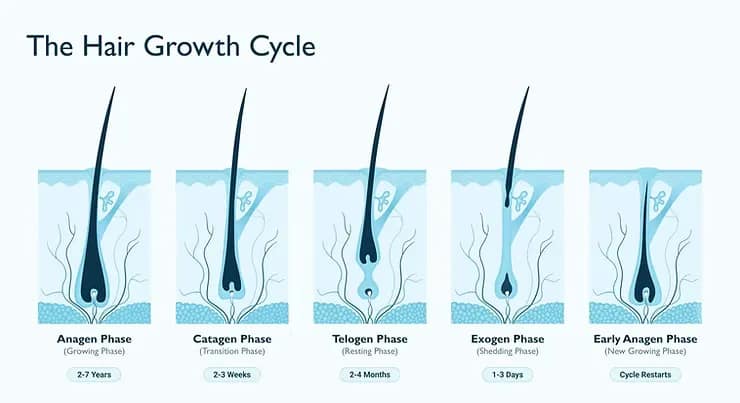
Hair grows in cycles—growth (anagen), rest (telogen), and shedding phases. Steroids can disrupt this cycle, pushing more hair into the shedding phase prematurely.
Types of Hair Loss Linked to Steroids
Androgenetic Alopecia
This is the most common form of hair loss linked to steroids. It results in thinning hair, receding hairlines, and bald patches.
Telogen Effluvium
Steroid use can trigger stress on the body, causing temporary hair shedding known as telogen effluvium. This condition is usually reversible.
Who Is at Risk?
Not everyone who uses steroids will experience hair loss. However, the risk is higher if:
- You have a genetic predisposition to baldness
- You use high doses of anabolic steroids
- You use steroids for extended periods
- You combine multiple steroid compounds
Can Hair Loss from Steroids Be Reversed?
The answer depends on the type and severity of hair loss:
- Temporary shedding: Often reversible once steroid use is stopped
- Pattern baldness: Usually permanent, but can be slowed with treatment
Early intervention is key to preventing long-term damage.
Prevention and Treatment Options
If you are concerned that steroid causes hair loss, consider the following strategies:
1. Limit or Avoid Steroid Use
The most effective way to prevent steroid-related hair loss is to avoid unnecessary use, especially anabolic steroids.
2. Use DHT Blockers
Medications that reduce DHT levels can help protect hair follicles and slow hair loss.
3. Maintain a Healthy Lifestyle
A balanced diet, proper hydration, and stress management can support overall hair health.
4. Consult a Medical Professional
If you notice excessive hair shedding, seek advice from a healthcare provider to determine the cause and appropriate treatment.
Natural Alternatives to Steroids
For those seeking muscle growth or improved performance, natural alternatives such as proper nutrition, strength training, and supplements may provide safer results without the risk of hair loss.
Conclusion
The phrase “steroid causes hair loss” holds truth, especially when it comes to anabolic steroid use. By increasing DHT levels and accelerating genetic predispositions, steroids can significantly impact hair health. Understanding the risks and taking preventive measures can help you maintain both your physical performance and your hair.
You Might Also Like These: