


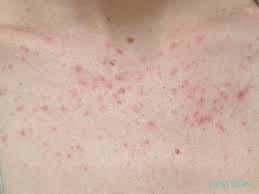
Steroid acne, is a common skin condition triggered by the use of corticosteroids or anabolic steroids. While these medications can be highly effective for treating various health issues, they may also lead to unwanted side effects—one of the most noticeable being acne breakouts. Understanding how steroid acne develops and how to manage it is essential for maintaining healthy skin.
What Is Steroid Acne?
Steroid acne is a type of acneiform eruption that occurs after taking or applying steroids. Unlike typical acne, it often appears suddenly and can affect people who have never experienced acne before. It is most commonly associated with oral, injected, or topical corticosteroids, as well as anabolic steroids used for muscle building.
Causes of Steroid Acne
The primary cause of steroid acne is the effect steroids have on the skin and hormone levels. These substances can:
- Increase oil (sebum) production in the skin
- Disrupt the natural balance of hormones
- Promote the growth of acne-causing bacteria
- Cause inflammation within hair follicles
Anabolic steroids, in particular, can elevate androgen levels, which stimulates sebaceous glands and leads to clogged pores.
Symptoms of Steroid Acne
Steroid acne typically presents differently from regular acne. Common symptoms include:
- Uniform (similar-looking) red bumps or pustules
- Sudden onset of breakouts
- Acne appearing on the chest, back, shoulders, and face
- Itching or mild irritation
- Lack of blackheads and whiteheads in some cases
These breakouts often occur in clusters and may worsen quickly if the steroid use continues.
Who Is at Risk?
Anyone using steroids can develop steroid acne, but certain groups are more prone, including:
- Athletes or bodybuilders using anabolic steroids
- Individuals on long-term corticosteroid therapy
- Patients using high-dose steroid medications
- People with naturally oily skin
Treatment Options for Steroid Acne
Managing steroid acne involves both medical treatment and lifestyle adjustments. Some effective approaches include:
1. Discontinuing or Adjusting Steroid Use
If possible, reducing or stopping steroid use can significantly improve symptoms. However, this should only be done under medical supervision.
2. Topical Treatments
Over-the-counter or prescription creams containing benzoyl peroxide, retinoids, or salicylic acid can help reduce inflammation and clear pores.
3. Oral Medications
In more severe cases, doctors may prescribe antibiotics or isotretinoin to control the condition.
4. Proper Skincare Routine
- Wash your skin twice daily with a gentle cleanser
- Avoid heavy or oily skincare products
- Keep the skin clean and dry
Prevention Tips
While it may not always be possible to prevent steroid acne entirely, you can reduce the risk by:
- Using steroids only as prescribed by a healthcare professional
- Maintaining a consistent skincare routine
- Staying hydrated and following a balanced diet
- Avoiding excessive oil-based products
When to See a Doctor
If your acne becomes severe, painful, or persistent, it’s important to consult a dermatologist. Early treatment can prevent scarring and improve outcomes.
Conclusion
Steroid acne is a manageable condition, but it requires awareness and proper care. Whether caused by medical treatment or performance-enhancing substances, understanding the triggers and solutions can help you maintain clearer, healthier skin. With the right approach, most cases of steroid acne can be effectively treated and prevented.
You Might Also Like These: