


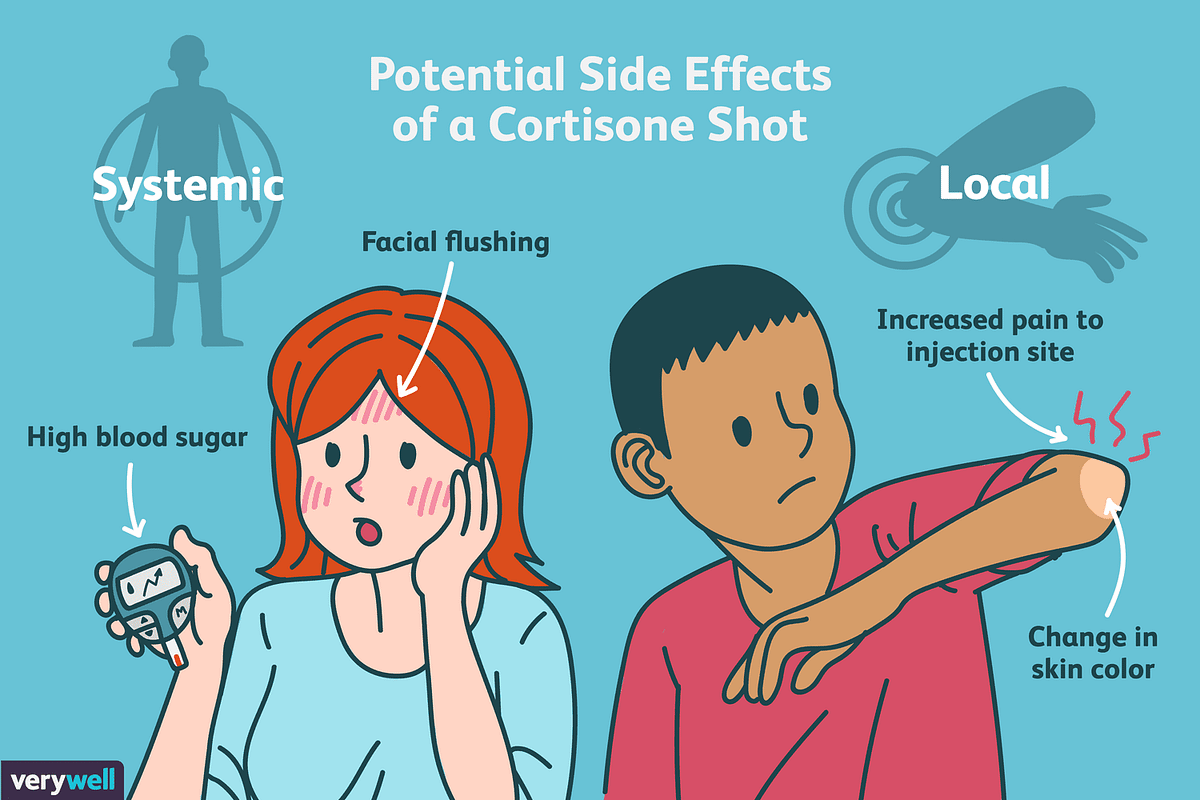
Side Effects Of Steroids For Inflammation, Steroids are widely prescribed to reduce inflammation and manage a variety of medical conditions, including arthritis, asthma, and autoimmune diseases. While these medications can be highly effective, it is important to understand the side effects of steroids for inflammation before starting treatment. Knowing both the benefits and risks helps patients make informed decisions and use these drugs safely.
What Are Steroids for Inflammation?
Steroids, specifically corticosteroids, are synthetic drugs that mimic hormones produced by the adrenal glands. They work by suppressing the immune system and reducing inflammation in the body. Common examples include prednisone, hydrocortisone, and dexamethasone.
Doctors may prescribe steroids in different forms such as tablets, injections, creams, or inhalers depending on the condition being treated.
Common Side Effects of Steroids for Inflammation
While steroids are effective, they can cause a range of side effects, especially when used for long periods or at high doses.
1. Weight Gain and Fluid Retention
One of the most noticeable side effects is weight gain. Steroids can increase appetite and cause the body to retain fluid, leading to swelling in the face, abdomen, and limbs.
2. Increased Blood Sugar Levels
Steroids can raise blood glucose levels, which may be particularly concerning for people with diabetes or those at risk of developing it.
3. Mood Changes and Mental Health Effects
Some individuals experience mood swings, anxiety, irritability, or even depression. In rare cases, steroids can lead to more severe psychological effects such as confusion or hallucinations.
4. Weakened Immune System
Since steroids suppress the immune response, they can make the body more vulnerable to infections. Even minor infections may become more serious during steroid use.
5. Bone Loss (Osteoporosis)
Long-term use of steroids can weaken bones, increasing the risk of fractures. This is a major concern for older adults or those already at risk of osteoporosis.
6. High Blood Pressure
Steroids may contribute to elevated blood pressure due to fluid retention and changes in how the body handles salt.
7. Skin Changes
Users may notice thinning of the skin, easy bruising, or slower wound healing. Acne can also develop or worsen.
8. Hormonal Imbalance
Steroids can interfere with the body’s natural hormone production, potentially causing issues like irregular menstrual cycles or reduced adrenal function.
Long-Term Risks of Steroid Use
The side effects of steroids for inflammation become more serious with prolonged use. These may include:
- Cataracts or glaucoma
- Muscle weakness
- Increased risk of heart disease
- Growth suppression in children
- Dependence on steroids due to adrenal suppression
Because of these risks, doctors usually prescribe the lowest effective dose for the shortest possible duration.
How to Minimize Side Effects
There are several ways to reduce the risks associated with steroid use:
- Follow your doctor’s instructions carefully
- Never stop steroids abruptly without medical advice
- Maintain a healthy diet and exercise regularly
- Monitor blood sugar and blood pressure
- Take calcium and vitamin D if recommended
Regular check-ups are essential to catch any potential complications early.
When to Seek Medical Help
Contact a healthcare provider if you experience:
- Severe mood changes
- Signs of infection (fever, chills)
- Vision problems
- Unusual swelling or rapid weight gain
Early intervention can prevent more serious health issues.
Conclusion
Understanding the side effects of steroids for inflammation is crucial for anyone considering or currently using these medications. While steroids can provide powerful relief from inflammation, they must be used responsibly under medical supervision. By staying informed and proactive, patients can balance the benefits of treatment with the potential risks.