


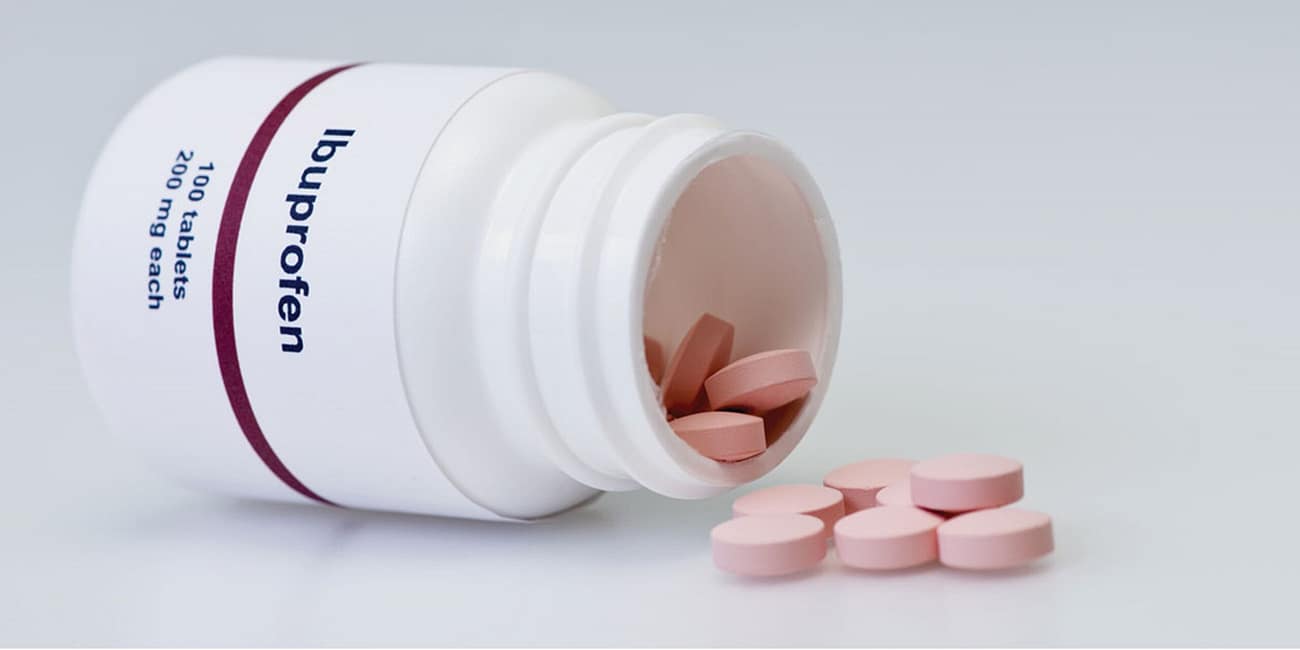
Non Steroidal Anti Inflammatory, Non steroidal anti inflammatory drugs—commonly known as NSAIDs—are among the most widely used medications worldwide. They play a crucial role in relieving pain, reducing inflammation, and lowering fever. Whether it’s a mild headache, muscle soreness, or chronic joint pain, these medications are often the first line of treatment for millions of people.
What Are Non Steroidal Anti Inflammatory Drugs?
A non steroidal anti inflammatory drug is a type of medication that reduces inflammation without using steroids. Unlike corticosteroids, NSAIDs work by blocking enzymes in the body that contribute to inflammation and pain.
These drugs mainly inhibit cyclooxygenase (COX) enzymes—specifically COX-1 and COX-2—which are responsible for producing prostaglandins. Prostaglandins are chemicals that promote inflammation, pain, and fever. By reducing their production, NSAIDs help alleviate discomfort and swelling.
Common Examples of NSAIDs
Some well-known non steroidal anti inflammatory drugs include:
- Ibuprofen
- Aspirin
- Naproxen
- Diclofenac
These medications are available over-the-counter or by prescription, depending on the strength and intended use.
Uses of Non Steroidal Anti Inflammatory Drugs
NSAIDs are used to treat a wide variety of conditions, including:
- Headaches and migraines
- Muscle aches and sprains
- Arthritis and joint pain
- Menstrual cramps
- Fever and flu symptoms
For chronic conditions such as Rheumatoid Arthritis and Osteoarthritis, NSAIDs help improve quality of life by reducing inflammation and stiffness.
Benefits of NSAIDs
The popularity of non steroidal anti inflammatory medications comes from their effectiveness and accessibility. Key benefits include:
- Pain Relief: Effective for both mild and moderate pain
- Anti-Inflammatory Action: Helps reduce swelling and redness
- Fever Reduction: Commonly used to bring down high temperatures
- Wide Availability: Easily accessible in pharmacies worldwide
Potential Side Effects and Risks
Despite their benefits, non steroidal anti inflammatory drugs are not without risks. Prolonged or excessive use can lead to:
- Stomach irritation or ulcers
- Increased risk of bleeding
- Kidney problems
- Elevated blood pressure
Some NSAIDs may also increase the risk of cardiovascular issues, especially when taken in high doses or over long periods.
Safe Use Guidelines
To use non steroidal anti inflammatory drugs safely:
- Always follow the recommended dosage
- Avoid combining multiple NSAIDs at once
- Take them with food to reduce stomach irritation
- Consult a healthcare professional if you have underlying health conditions
People with a history of ulcers, kidney disease, or heart conditions should be particularly cautious.
Conclusion
Non steroidal anti inflammatory drugs are essential tools in modern medicine, offering effective relief from pain and inflammation. While they are generally safe when used properly, it is important to be aware of their potential risks. By understanding how these medications work and using them responsibly, individuals can benefit from their therapeutic effects while minimizing side effects.
You Might Also Like These:
“ghrp-6” “injectable solution” “add to cart”
“cardarine” “capsules” “add to cart”