

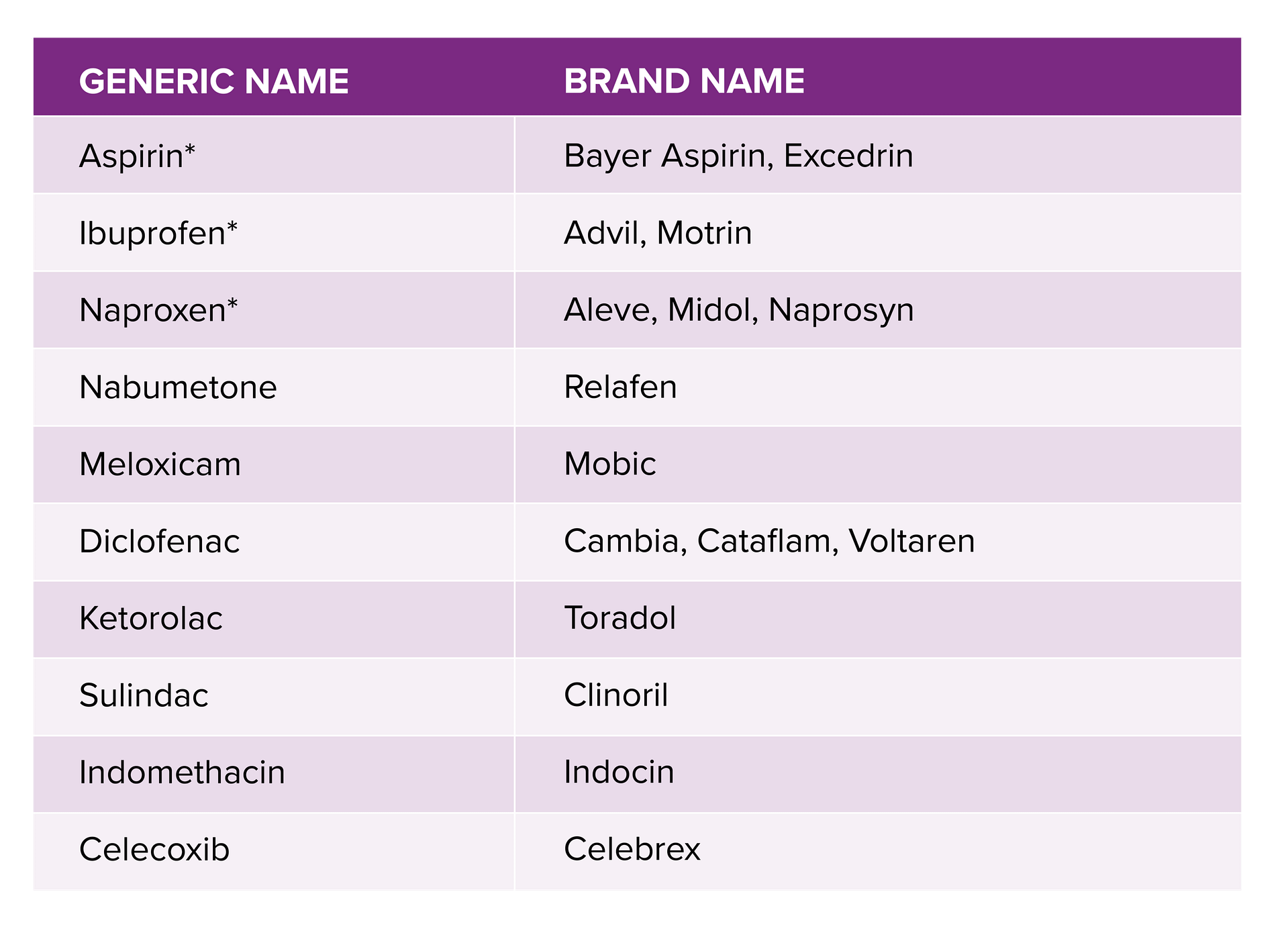
Non Steroidal Anti Inflammatory Drugs List, Non-steroidal anti-inflammatory drugs (NSAIDs) are among the most widely used medications worldwide for relieving pain, reducing inflammation, and lowering fever. Whether you’re dealing with a headache, arthritis, or muscle soreness, understanding the Non Steroidal Anti Inflammatory Drugs List can help you choose the right option and use it safely.
What Are Non-Steroidal Anti-Inflammatory Drugs (NSAIDs)?
NSAIDs are a class of medications that work by blocking enzymes (COX-1 and COX-2) responsible for producing prostaglandins—chemicals in the body that cause pain, inflammation, and fever. Unlike steroids, NSAIDs do not contain corticosteroids, making them a safer choice for many everyday conditions when used appropriately.
Common Non Steroidal Anti Inflammatory Drugs List
Here is a comprehensive Non Steroidal Anti Inflammatory Drugs List, including both over-the-counter (OTC) and prescription options:
Over-the-Counter (OTC) NSAIDs
- Ibuprofen
- Aspirin
- Naproxen sodium
- Diclofenac (topical gels in some countries)
Prescription NSAIDs
- Celecoxib
- Etoricoxib
- Indomethacin
- Ketorolac
- Meloxicam
- Piroxicam
- Nabumetone
- Sulindac
- Flurbiprofen
These medications vary in strength, duration of action, and risk profiles, so it’s important to use them based on medical advice when necessary.
Uses of NSAIDs
NSAIDs are commonly used to treat a wide range of conditions, including:
- Headaches and migraines
- Muscle pain and sprains
- Arthritis (osteoarthritis and rheumatoid arthritis)
- Menstrual cramps
- Fever
- Dental pain
- Post-surgical inflammation
Their anti-inflammatory properties make them particularly useful in chronic conditions like arthritis.
Types of NSAIDs
NSAIDs are generally classified into two categories:
1. Non-selective NSAIDs
These block both COX-1 and COX-2 enzymes. Examples include ibuprofen, aspirin, and naproxen.
2. COX-2 Selective Inhibitors
These primarily block COX-2, reducing inflammation with potentially fewer stomach-related side effects. Examples include celecoxib and etoricoxib.
Benefits of NSAIDs
- Effective pain relief
- Reduction in inflammation
- Fever control
- Widely available and affordable
- Useful for both acute and chronic conditions
Side Effects and Risks
While NSAIDs are effective, they can cause side effects, especially when used long-term or in high doses:
- Stomach irritation or ulcers
- Increased risk of bleeding
- Kidney problems
- Elevated blood pressure
- Cardiovascular risks (especially with long-term use)
Certain individuals—such as older adults, people with heart disease, or those with kidney issues—should use NSAIDs with caution.
Safety Tips for Using NSAIDs
To safely use medications from the Non Steroidal Anti Inflammatory Drugs List, follow these guidelines:
- Always follow the recommended dosage
- Avoid combining multiple NSAIDs
- Take with food to reduce stomach irritation
- Limit alcohol consumption
- Consult a doctor for long-term use
- Check for drug interactions with other medications
When to Avoid NSAIDs
NSAIDs may not be suitable if you:
- Have a history of stomach ulcers or bleeding
- Suffer from severe kidney or liver disease
- Have certain heart conditions
- Are in the later stages of pregnancy
Always consult a healthcare professional before starting any NSAID, especially if you have underlying health conditions.
Conclusion
Understanding the Non Steroidal Anti Inflammatory Drugs List is essential for making informed decisions about pain relief and inflammation management. While NSAIDs are highly effective and widely accessible, responsible use is key to minimizing risks and maximizing benefits. Whether you choose an over-the-counter option or a prescription medication, always prioritize safety and consult a healthcare provider when needed.