


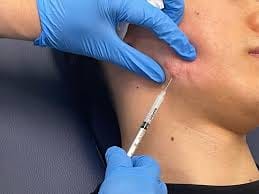
Intralesional Steroid Injection for keloid, Keloids are raised, thickened scars that grow beyond the boundaries of an original wound. They can develop after injuries such as cuts, burns, surgical incisions, or even minor skin trauma like acne or piercings. Among the most widely used and effective treatments is intralesional steroid injection for keloid, a non-surgical approach that helps reduce scar size, improve appearance, and relieve symptoms like itching or pain.
What Is a Keloid?
A keloid forms when the body produces excessive collagen during the healing process. Unlike normal scars, keloids continue to grow over time and may become larger than the initial wound. They often appear firm, shiny, and can vary in color from pink to dark brown depending on skin tone.
What Is Intralesional Steroid Injection for Keloid?
Intralesional steroid injection for keloid involves injecting corticosteroid medication directly into the scar tissue. The most commonly used steroid is triamcinolone acetonide. This targeted therapy helps break down excess collagen, reduce inflammation, and flatten the raised scar.
How Does It Work?
The injected steroid works in several ways:
- Reduces collagen production, preventing further growth of the keloid
- Decreases inflammation, which helps relieve itching and discomfort
- Softens and flattens the scar, improving its overall appearance
Because the medication is delivered directly into the keloid, it provides localized treatment with minimal systemic effects.
Procedure Overview
The procedure is relatively simple and usually performed in a dermatologist’s clinic:
- The area is cleaned and sometimes numbed with a local anesthetic.
- A fine needle is used to inject the steroid into multiple points within the keloid.
- The session typically lasts only a few minutes.
Patients may require multiple sessions, usually spaced 3–4 weeks apart, depending on the size and severity of the keloid.
Benefits of Intralesional Steroid Injection for Keloid
- Non-surgical and minimally invasive
- Effective in reducing size and thickness
- Relieves symptoms like itching and pain
- Can be combined with other treatments (e.g., laser therapy, cryotherapy)
- Low risk of serious complications
Possible Side Effects
While generally safe, intralesional steroid injection for keloid may cause some side effects:
- Skin thinning (atrophy)
- Lightening or darkening of the treated area
- Small visible blood vessels (telangiectasia)
- Temporary pain at the injection site
These side effects are usually mild and can be minimized with proper dosing and technique.
Who Is a Good Candidate?
- Individuals with small to medium-sized keloids
- Patients experiencing itching, tenderness, or cosmetic concerns
- Those seeking a non-surgical option
However, very large or resistant keloids may require combination therapies for optimal results.
Tips for Better Results
- Follow your dermatologist’s schedule for repeat injections
- Avoid unnecessary skin trauma in prone areas
- Use silicone gel sheets or pressure therapy if recommended
- Protect the area from sun exposure to prevent discoloration
Conclusion
Intralesional steroid injection for keloid remains one of the most effective first-line treatments for managing keloid scars. It offers a safe, convenient, and cost-effective way to reduce scar size and improve skin appearance. While results vary from person to person, consistent treatment and proper care can lead to significant improvement over time.
You Might Also Like These: