

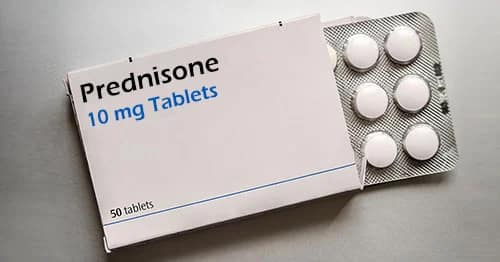
Do Steroids Make You Gain Weight, When people ask, “do steroids make you gain weight?”, the answer isn’t a simple yes or no. Steroids can indeed affect your body weight—but how, why, and how much depends on the type of steroid, how it’s used, and your individual body.
In this article, we’ll break down the science behind steroids and weight gain so you can understand what really happens.
What Are Steroids?
Steroids are synthetic substances that mimic natural hormones in the body. The two most common types are:
- Corticosteroids – Used to treat inflammation, asthma, arthritis, and autoimmune conditions
- Anabolic steroids – Used medically for hormone deficiencies but often misused for muscle building
Each type affects your body differently, especially when it comes to weight.
Do Steroids Make You Gain Weight?
1. Corticosteroids and Weight Gain
Yes, corticosteroids often lead to weight gain, especially when used long-term.
Why does this happen?
- Increased appetite – You may feel hungrier than usual
- Fluid retention – Causes bloating and puffiness
- Fat redistribution – Fat may accumulate in the face, abdomen, and back
- Slower metabolism – Your body may store more calories as fat
This type of weight gain is usually noticeable within weeks or months of use.
2. Anabolic Steroids and Weight Gain
Anabolic steroids can also cause weight gain, but it’s different in nature.
How?
- Increased muscle mass – Leads to lean weight gain
- Water retention – Temporary increase in body weight
- Increased protein synthesis – Helps muscles grow faster
However, not all weight gained from anabolic steroids is healthy or sustainable, especially if used without medical supervision.
Is Steroid Weight Gain Permanent?
Not always.
- Short-term use: Weight gain is often temporary and may reverse after stopping the medication
- Long-term use: Some changes (like fat distribution) may take longer to normalize
- Lifestyle factors: Diet and exercise play a big role in how your body responds
Common Signs of Steroid-Related Weight Gain
You might notice:
- A rounder face (“moon face”)
- Increased belly fat
- Sudden increase in appetite
- Swelling in hands, feet, or ankles
These symptoms are more common with corticosteroids.
How to Manage Weight While on Steroids
If you’re prescribed steroids, you don’t have to feel powerless. Here are some practical tips:
1. Watch Your Diet
- Focus on whole foods
- Limit salt to reduce water retention
- Avoid excessive sugar and processed foods
2. Stay Active
- Include both cardio and strength training
- Regular movement helps manage fat gain
3. Monitor Portions
- Steroids can increase hunger, so mindful eating is key
4. Talk to Your Doctor
- Ask about the lowest effective dose
- Discuss alternative treatments if weight gain becomes a concern
Final Thoughts
So, do steroids make you gain weight?
Yes, they can—but the type of steroid and how it’s used make all the difference.
- Corticosteroids often lead to fat gain and water retention
- Anabolic steroids can increase muscle mass and body weight
Understanding these effects helps you stay informed and take control of your health. If you’re taking steroids or considering them, always consult a healthcare professional to minimize risks and manage side effects effectively.