

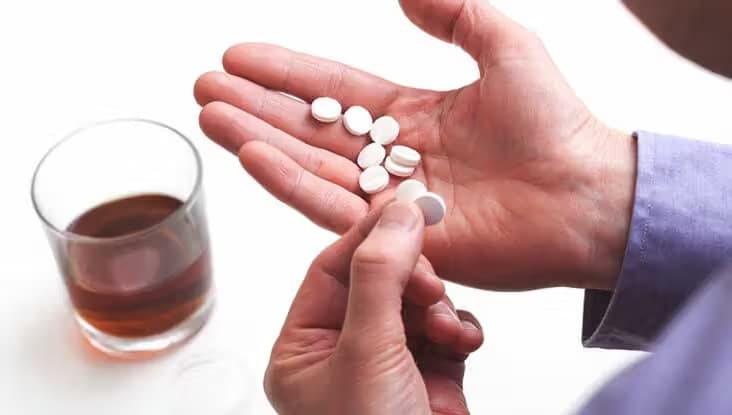
Alcohol On Steroids, The phrase “alcohol on steroids” refers to the dangerous combination of drinking alcohol while using anabolic steroids. While both substances individually carry risks, mixing them can significantly increase the chances of serious health complications. This article explores how alcohol and steroids interact, the short- and long-term effects, and why avoiding this combination is critical for your well-being.
What Does “Alcohol on Steroids” Mean?
“Alcohol on steroids” typically describes consuming alcoholic beverages while taking anabolic-androgenic steroids (AAS)—synthetic substances designed to mimic testosterone. These steroids are often used to enhance muscle growth, improve athletic performance, or alter physical appearance.
Although some people believe occasional drinking won’t interfere with steroid use, the reality is far more complex and potentially harmful.
How Alcohol and Steroids Affect the Body
Both alcohol and anabolic steroids impact major organs, especially the liver, heart, and brain. When used together, their effects can overlap and intensify.
1. Liver Damage
The liver processes both alcohol and steroids. Combining them can:
- Increase liver toxicity
- Lead to inflammation or liver disease
- Raise the risk of conditions like fatty liver or even liver failure
Oral steroids, in particular, are known to be harsh on the liver, and alcohol worsens this burden.
2. Cardiovascular Risks
Using alcohol on steroids can negatively affect your heart and blood vessels:
- Elevated blood pressure
- Increased cholesterol imbalance
- Higher risk of heart attack or stroke
Steroids may raise “bad” LDL cholesterol while lowering “good” HDL cholesterol, and alcohol can amplify these effects.
3. Hormonal Imbalance
Steroids already disrupt your natural hormone production. Alcohol can further:
- Reduce testosterone levels
- Increase estrogen imbalance
- Affect reproductive health
This can lead to issues such as reduced fertility, mood swings, and physical changes like gynecomastia (development of breast tissue in men).
4. Mental Health Effects
Both substances influence brain chemistry. Together, they may cause:
- Increased aggression or irritability
- Anxiety and depression
- Impaired judgment and decision-making
This combination can also heighten risky behavior and emotional instability.
5. Reduced Muscle Gains
Ironically, mixing alcohol with steroids may counteract the very reason many people use steroids:
- Alcohol interferes with protein synthesis
- Slows muscle recovery
- Leads to dehydration and fatigue
This means your performance and results in the gym may actually decline.
Short-Term vs Long-Term Effects
Short-Term Effects:
- Nausea and fatigue
- Poor workout performance
- Dehydration
- Mood swings
Long-Term Effects:
- Chronic liver disease
- Heart complications
- Hormonal disorders
- Addiction or dependency issues
Why People Still Mix Alcohol and Steroids
Despite the risks, some individuals continue this combination due to:
- Social drinking habits
- Lack of awareness about risks
- Misconceptions about “moderation”
- Peer influence in fitness or bodybuilding communities
Education is key to reducing these harmful practices.
Safer Alternatives and Recommendations
If you are using or considering anabolic steroids, it’s essential to:
- Avoid alcohol entirely or significantly reduce intake
- Stay hydrated and follow a balanced diet
- Monitor liver and heart health regularly
- Consult a qualified healthcare professional
For those focused on fitness, natural training methods and proper nutrition are far safer and more sustainable.
Conclusion
The concept of “alcohol on steroids” highlights a risky and often misunderstood combination. While each substance alone carries potential dangers, using them together can severely impact your physical and mental health. From liver damage to reduced muscle gains, the consequences outweigh any perceived benefits.
Making informed choices and prioritizing long-term health is far more valuable than short-term results.