

Adverse Effects Of Steroids Icd 10, Steroids are widely used in modern medicine to treat a variety of conditions, including inflammation, autoimmune diseases, allergies, and hormonal imbalances. While they can be highly effective, they also carry the risk of unwanted side effects. Understanding the adverse effects of steroids ICD 10 is essential for accurate diagnosis, documentation, and proper patient care.
What Are Steroids?
Steroids, also known as corticosteroids or anabolic steroids, are synthetic substances that mimic natural hormones in the body. The most commonly prescribed types include:
- Corticosteroids (e.g., prednisone, dexamethasone)
- Anabolic steroids (used for muscle growth, often misused)
While corticosteroids are commonly used for medical purposes, anabolic steroids are often associated with misuse and performance enhancement.
Understanding ICD-10 Coding
The ICD-10 (International Classification of Diseases, 10th Revision) is a globally recognized system used to classify diseases, symptoms, and medical conditions. It plays a crucial role in:
- Medical billing and insurance claims
- Clinical documentation
- Epidemiological research
When it comes to steroids, ICD-10 codes help identify adverse reactions caused by these drugs.
ICD-10 Codes for Adverse Effects of Steroids
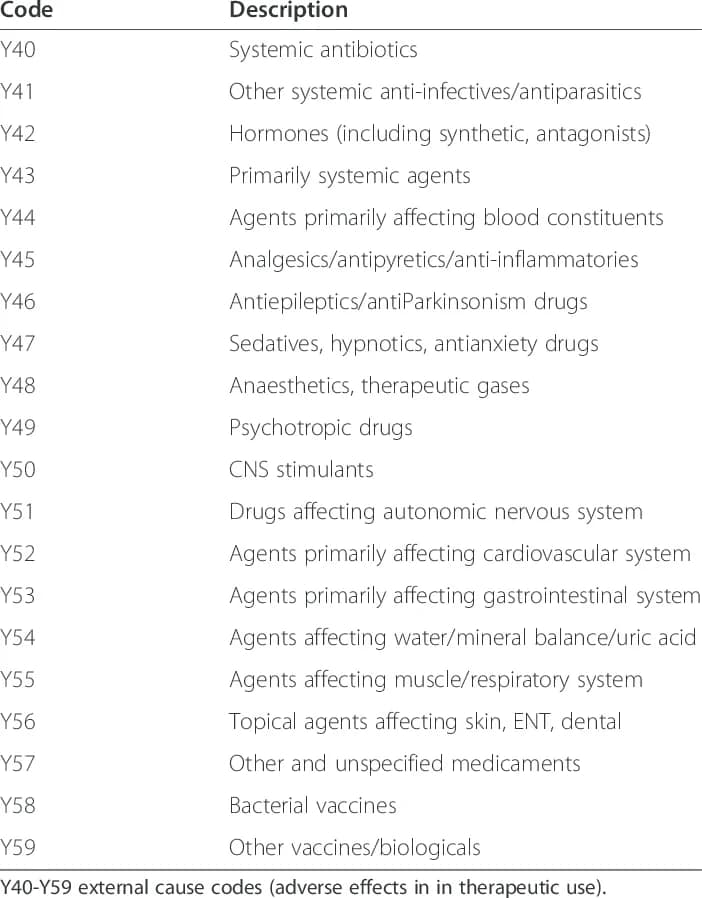
The primary ICD-10 codes used for documenting the adverse effects of steroids fall under the category:
- T38.0X5A – Adverse effect of glucocorticoids and synthetic analogues, initial encounter
- T38.0X5D – Subsequent encounter
- T38.0X5S – Sequela
These codes are used when a patient experiences side effects due to properly prescribed and administered steroid medications.
Common Adverse Effects of Steroids
Steroid use can lead to a wide range of side effects depending on dosage, duration, and individual patient factors.
1. Short-Term Side Effects
- Increased appetite and weight gain
- Mood swings and irritability
- Insomnia
- Elevated blood sugar levels
- Fluid retention
2. Long-Term Side Effects
- Osteoporosis (bone thinning)
- Hypertension (high blood pressure)
- Cataracts and glaucoma
- Muscle weakness
- Suppressed immune system
3. Severe or Rare Complications
- Adrenal suppression
- Cushing’s syndrome
- Increased risk of infections
- Psychiatric effects (depression, anxiety, psychosis)
Importance of Accurate Coding
Using the correct adverse effects of steroids ICD 10 code ensures:
- Proper reimbursement for healthcare providers
- Accurate patient records
- Better tracking of drug-related complications
- Improved healthcare analytics and safety monitoring
Incorrect coding can lead to claim denials, legal issues, or gaps in patient care.
Risk Factors for Steroid Side Effects
Certain individuals are more prone to experiencing adverse effects, including:
- Elderly patients
- People with diabetes or hypertension
- Patients on long-term steroid therapy
- Individuals with compromised immune systems
Healthcare providers must carefully monitor these patients during treatment.
Prevention and Management
To reduce the risk of steroid-related complications:
- Use the lowest effective dose
- Limit duration of therapy
- Monitor blood pressure, glucose, and bone density
- Gradually taper off steroids instead of abrupt discontinuation
- Encourage a healthy diet and lifestyle
Conclusion
Understanding the adverse effects of steroids ICD 10 is essential for both healthcare professionals and medical coders. Steroids remain powerful therapeutic agents, but their potential side effects require careful monitoring and accurate documentation. Proper ICD-10 coding not only ensures compliance but also enhances patient safety and quality of care.
You Might Also Like These: