

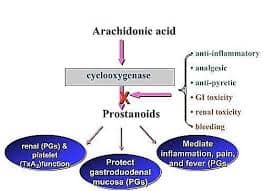
Non Steroidal Anti Inflammatory Drugs Mechanism Of Action, Non-steroidal anti-inflammatory drugs (NSAIDs) are among the most commonly used medications worldwide for the treatment of pain, inflammation, and fever. Understanding the non steroidal anti inflammatory drugs mechanism of action is essential for healthcare professionals, students, and anyone interested in how these medications work at a biological level.
What Are Non-Steroidal Anti-Inflammatory Drugs?
Non-steroidal anti-inflammatory drugs, commonly known as NSAIDs, are a class of medications that provide relief from pain, reduce inflammation, and lower fever. Unlike corticosteroids, they do not contain steroid hormones, which is why they are termed “non-steroidal.”
Common examples include:
- Ibuprofen
- Aspirin
- Naproxen
- Diclofenac
Non Steroidal Anti Inflammatory Drugs Mechanism of Action
The non steroidal anti inflammatory drugs mechanism of action primarily revolves around the inhibition of specific enzymes involved in inflammation and pain signaling.
1. Role of Cyclooxygenase (COX) Enzymes
NSAIDs exert their effects by inhibiting enzymes known as cyclooxygenases (COX enzymes). There are two main types:
- COX-1: Maintains normal physiological functions such as protecting the stomach lining and supporting platelet function.
- COX-2: Induced during inflammation and responsible for producing inflammatory mediators.
2. Inhibition of Prostaglandin Synthesis
COX enzymes are responsible for converting arachidonic acid into prostaglandins, which are lipid compounds that promote:
- Inflammation
- Pain sensation
- Fever
By blocking COX enzymes, NSAIDs reduce prostaglandin production. This leads to:
- Decreased inflammation
- Reduced pain signals
- Lower body temperature during fever
3. Selective vs Non-Selective NSAIDs
- Non-selective NSAIDs inhibit both COX-1 and COX-2 (e.g., ibuprofen, aspirin).
- Selective COX-2 inhibitors (e.g., celecoxib) mainly target COX-2, reducing inflammation while minimizing gastrointestinal side effects.
Effects of NSAIDs Based on Their Mechanism
The non steroidal anti inflammatory drugs mechanism of action results in several therapeutic effects:
Anti-Inflammatory Effect
By reducing prostaglandin levels, NSAIDs help control swelling and inflammation in conditions like arthritis.
Analgesic (Pain-Relieving) Effect
NSAIDs decrease the sensitivity of nerve endings to pain-causing chemicals.
Antipyretic (Fever-Reducing) Effect
They act on the hypothalamus to lower elevated body temperature.
Side Effects Linked to Mechanism of Action
While effective, the same mechanism that provides benefits can also cause side effects:
- Gastrointestinal irritation: Due to COX-1 inhibition reducing protective stomach lining
- Increased bleeding risk: Because platelet function is affected
- Kidney function impact: Prostaglandins help maintain blood flow to the kidneys
Selective COX-2 inhibitors were developed to reduce these risks, though they may have cardiovascular concerns.
Clinical Importance
Understanding the non steroidal anti inflammatory drugs mechanism of action helps in:
- Choosing the right NSAID for patients
- Minimizing side effects
- Managing chronic conditions like arthritis, musculoskeletal disorders, and post-surgical pain
Conclusion
The non steroidal anti inflammatory drugs mechanism of action is centered on the inhibition of COX enzymes and the subsequent reduction in prostaglandin synthesis. This biochemical process explains both the therapeutic benefits and potential risks associated with NSAIDs. Proper knowledge of this mechanism ensures safer and more effective use of these widely prescribed medications.
You Might Also Like These: