

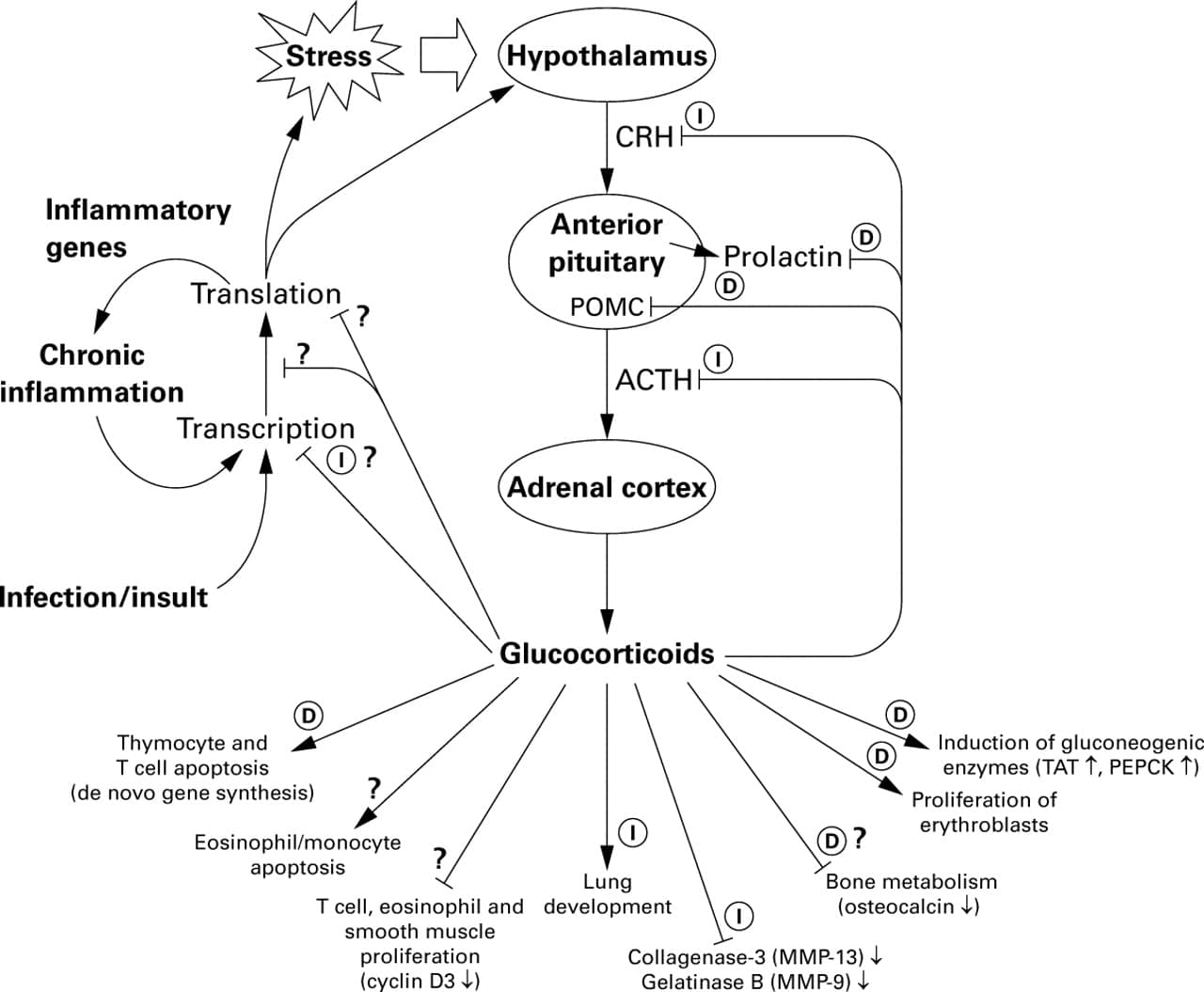
Steroid Mechanism Of Action, Steroids are a class of biologically active compounds widely used in medicine, sports, and research. Understanding the steroid mechanism of action is essential to grasp how these compounds influence the body at a cellular and molecular level. This article explores how steroids work, their types, and their effects on human physiology.
What Are Steroids?
Steroids are organic compounds characterized by a specific molecular structure consisting of four fused carbon rings. They are naturally produced in the body (such as hormones) or synthesized for medical and performance-enhancing purposes. Common categories include:
- Corticosteroids – used to reduce inflammation and treat autoimmune conditions
- Anabolic steroids – used to promote muscle growth and enhance physical performance
- Sex steroids – such as testosterone and estrogen, which regulate reproductive functions
Steroid Mechanism of Action Explained
The steroid mechanism of action primarily involves interaction with specific receptors inside cells, leading to changes in gene expression. Unlike many drugs that act on cell surface receptors, steroids can easily pass through cell membranes due to their lipid-soluble nature.
1. دخول الخلية (Cell Entry)
Steroids are lipophilic (fat-soluble), allowing them to diffuse freely across the cell membrane without needing transporters or channels.
2. Binding to Intracellular Receptors
Once inside the cell, steroids bind to specific intracellular receptors located in the cytoplasm or nucleus. These receptors are highly selective, meaning each steroid binds to its corresponding receptor (e.g., androgen receptors for testosterone).
3. Formation of Steroid-Receptor Complex
After binding, the steroid-receptor complex undergoes a structural change, activating it. This complex then moves into the nucleus if it is not already there.
4. Gene Regulation
Inside the nucleus, the activated complex binds to specific DNA sequences known as hormone response elements (HREs). This interaction regulates the transcription of target genes, either increasing or decreasing protein synthesis.
5. Protein Synthesis and Cellular Effects
The final step in the steroid mechanism of action is the production of proteins that bring about physiological changes. These effects may include:
- Increased muscle protein synthesis (anabolic steroids)
- Suppression of inflammation (corticosteroids)
- Regulation of metabolism and immune response
Types of Steroid Actions
Genomic Effects
These are slow but long-lasting effects resulting from changes in gene expression. They may take hours to days to become noticeable.
Non-Genomic Effects
Some steroids can produce rapid effects that do not involve gene transcription. These actions may occur within minutes and involve signaling pathways at the cell membrane.
Medical Applications
The steroid mechanism of action is utilized in various treatments, such as:
- Asthma and allergies
- Autoimmune diseases like rheumatoid arthritis
- Hormone replacement therapy
- Muscle-wasting conditions
Corticosteroids, for example, reduce inflammation by suppressing immune system activity, while anabolic steroids help rebuild tissue.
Potential Side Effects
Despite their benefits, misuse or prolonged use of steroids can lead to adverse effects, including:
- Hormonal imbalance
- Liver damage
- Cardiovascular issues
- Mood swings and behavioral changes
Understanding the steroid mechanism of action helps healthcare providers prescribe these drugs responsibly and monitor their effects.
Conclusion
The steroid mechanism of action is a complex yet fascinating process involving cellular entry, receptor binding, gene regulation, and protein synthesis. This mechanism explains both the therapeutic benefits and potential risks associated with steroid use. Whether used in medicine or research, steroids remain powerful tools that must be handled with care and knowledge.
You Might Also Like These: