


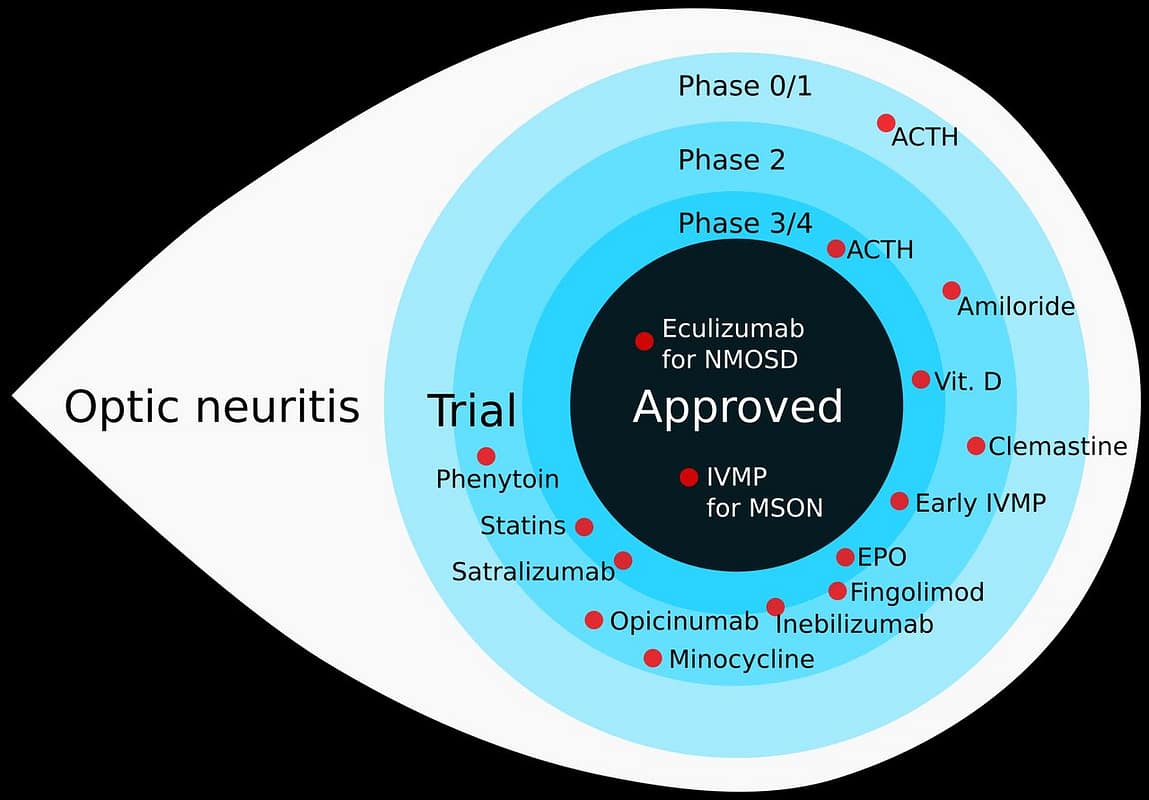
Optic Neuritis Steroid Treatment, Optic neuritis is a condition characterized by inflammation of the optic nerve, which transmits visual information from the eye to the brain. This inflammation can lead to sudden vision loss, eye pain, and changes in color perception. One of the most commonly recommended medical approaches for managing this condition is optic neuritis steroid treatment, which helps reduce inflammation and accelerate visual recovery.
What is Optic Neuritis?
Optic neuritis often presents as a sudden decrease in vision in one eye, sometimes accompanied by pain during eye movement. It is frequently associated with autoimmune conditions such as multiple sclerosis, but it can also occur due to infections or other inflammatory disorders.
Common symptoms include:
- Blurred or dim vision
- Eye pain, especially when moving the eye
- Loss of color vision
- Flashing lights (photopsia)
Why Steroids Are Used in Treatment
Steroids, also known as corticosteroids, are powerful anti-inflammatory medications. In the context of optic neuritis steroid treatment, they are used to reduce swelling of the optic nerve and speed up the recovery process.
Steroids do not always improve the final visual outcome, but they can:
- Shorten the duration of symptoms
- Reduce inflammation more quickly
- Lower the risk of recurrence in certain cases
Types of Steroid Treatment
There are two primary methods used in optic neuritis steroid treatment:
1. Intravenous (IV) Steroids
High-dose intravenous steroids are often the first line of treatment in moderate to severe cases. Typically administered in a hospital setting, this approach involves:
- Methylprednisolone given over 3–5 days
- Followed by an oral steroid taper
IV steroids are preferred because they act quickly and are more effective in reducing acute inflammation.
2. Oral Steroids
Oral corticosteroids may be prescribed after IV therapy or in milder cases. However, using oral steroids alone without prior IV treatment is generally not recommended, as it may increase the risk of relapse.
Effectiveness of Optic Neuritis Steroid Treatment
Clinical studies have shown that optic neuritis steroid treatment can significantly speed up visual recovery. Most patients begin to see improvement within a few weeks, although full recovery may take several months.
It’s important to note:
- Vision often improves even without treatment
- Steroids mainly accelerate recovery rather than change the final outcome
- Early treatment may be beneficial in specific clinical scenarios
Possible Side Effects
While steroids are effective, they can come with potential side effects, especially when used in high doses. These may include:
- Mood changes
- Increased blood sugar levels
- Weight gain
- Sleep disturbances
- Increased risk of infection
Long-term use is usually avoided to minimize these risks.
When to Seek Medical Attention
If you experience sudden vision changes, eye pain, or visual disturbances, it is essential to seek immediate medical care. Early diagnosis and appropriate optic neuritis steroid treatment can help manage symptoms effectively and rule out underlying conditions.
Conclusion
Optic neuritis steroid treatment remains a cornerstone in managing optic nerve inflammation. While it may not always alter the final visual outcome, it plays a crucial role in speeding up recovery and reducing discomfort. With proper medical supervision, steroid therapy can be a safe and effective option for patients experiencing this condition.